Category: NATURAL

  • I Got Chin Filler for the First Time—See the Before-and-After Photos

    I Got Chin Filler for the First Time—See the Before-and-After Photos

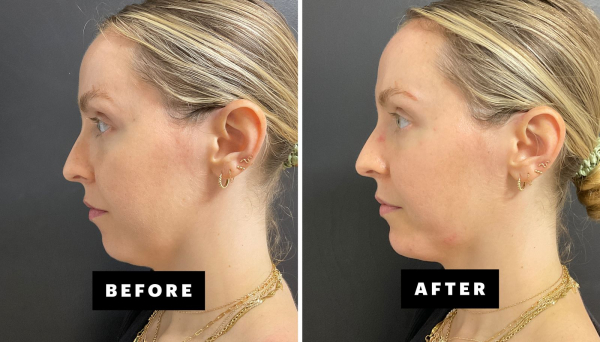
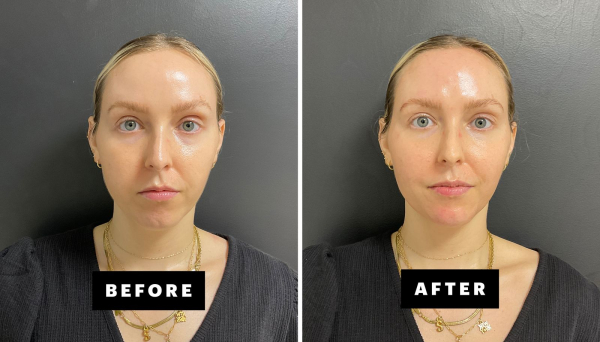
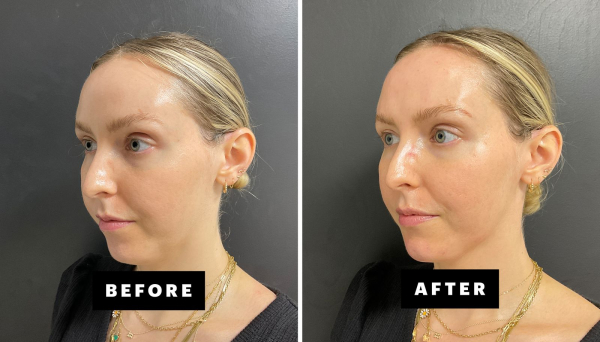
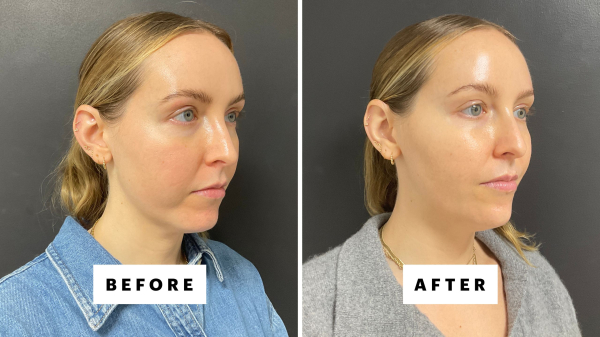
    side by side before and after photos of woman with chin fillerCourtesy of Entière DermatologySave StorySave this storySave StorySave this story

    My jaw ate my chin.

    At least, that’s what it looked like to me. Every time I looked in the mirror from the side, all I could see was the general lack of structure along my jawline to my chin. “You have a mildly recessed chin,” says Melissa Kanchanapoomi Levin, MD, a board-certified dermatologist in New York City. I’ve been a patient of Dr. Levin’s for roughly eight years. She knows my face up close and personal and can attest to the fact that my jaw did not, in fact, eat my chin. Still, my lack of chin had made me feel self-conscious for a long time.

    There’s nothing “wrong” with my chin. It’s a chin! It does its chin job. But I wanted more balanced facial features without undergoing a permanent procedure, such as an implant. I wasn’t looking to dramatically change my chin, but over the years, Dr. Levin and I had talked about the option of filler to give it more structure, and the idea stuck with me.

    In this story:

    • What is chin filler?
    • Making the decision to get chin filler
    • Prepping for filler
    • The injection process
    • Post-injection guidelines
    • Overall thoughts

    What is chin filler?

    “Filler generally refers to any substance that can help lift or angle tissue; it’s most commonly composed of hyaluronic acid,” says Dhaval G. Bhanusali, MD, a board-certified dermatologist in New York City. “Fillers tend to be good options for those who have volume deficits.” With chin filler, specifically, “we look to see if there is an imbalance, with chin protrusion appearing disproportionate with the rest of the face,” he explains. Colloquially speaking, you might call this a “weak chin.”

    Determining what type of filler a “weak chin” would need is a little more nuanced because not all fillers are created equal. What works for the lips or other parts of the face may not work for the chin and vice versa. That's why dermal fillers are categorized by their stiffness, a.k.a. their G-prime level. “When we are looking at the chin, generally, we use a pretty firm, high G-prime filler, and that's because it helps mimic the bone,” Dr. Levin explains. “Something that's going to give a lift.”

    There are a number of high G-prime filler options on the market—Allergan's Juvéderm Volux and Juvéderm Voluma XC (both are best used for structuring the chin and jawline), Merz Aesthetics' Radiesse (best for smoothing deep wrinkles and adding volume to the lower face), and Galderma's Restylane Lyft (best for adding volume to the cheeks and midface)—but deciding what is right for your face is a decision between the provider and patient. For my face, Dr. Levin determined Volux would be best. (More on that later.)

    Making the decision to get chin filler

    Rewind to two years ago, during an ordinary neurotoxin appointment, when, on a whim, I asked Dr. Levin for filler. She obliged.

    As scary as this may sound, “on a whim” is typically how I describe my decision-making process, especially when it comes to in-office procedures. This has also applied to neurotoxin treatments, radio-frequency microneedling, and lasers. As a beauty editor, I’m a little less fearful of treatments because of the reporting and extensive research I’ve done over the span of my career. Still, I have to admit, suddenly deciding to get facial filler after years of insecurity felt a bit radical.

    side by side images of woman before and after getting chin filler with black and white text on screen

    Beauty director Sarah Kinonen before and then immediately after filler and neurotoxin injections in 2024.

    Courtesy of Dr. Melissa Kanchanapoomi Levin

    But as I said, Dr. Levin knows me and my face very well, and from her perspective, this decision, although it was unexpected, made sense anatomically. And because I was an ideal candidate for filler, she immediately approved.

    “You have great skin: thick, healthy, robust skin,” she says. “You don't have any underlying skin laxity. You really fit the profile of what makes for a good candidate.” That’s also because I was 33 at the time. People in their early 20s are less likely to be appropriate candidates for filler because facial features change as we age. (As we get older, volume and bone loss occur, as well as general sagging.) Plus, I don’t smoke, and I do have realistic expectations when it comes to results.

    “Patients should have an understanding of what fillers can and cannot achieve,” says Dr. Levin. “They can enhance, but they don't offer the same type of dramatic results that surgical interventions can. The role of filler is more subtle, natural-looking improvements rather than dramatic changes, [though] they may feel dramatic to you.”

    Prepping for filler

    After it was decided I would get filler right then and there during my 2024 appointment, Dr. Levin and her team started to prep. This included cleaning the injection sites (chin and jawline), slathering on a hefty amount of numbing cream, walking me through the procedure, and, most importantly, ensuring I knew the possible side effects of facial filler.

    Common side effects include bruising, swelling, and potential allergic reactions. “With any cosmetic procedure, there are always risks,” says Dr. Bhanusali. “Even in the most experienced hands, there is always a risk of occlusion (injecting filler into a vessel), which can lead to compromised tissue, blindness, and other issues.” That’s why it’s important to always see a board-certified dermatologist or plastic surgeon for these types of in-office procedures.

    Dr. Levin also needed to confirm that I didn’t have any alcohol in my system (no problem—I don’t drink); hadn’t gotten a dental procedure in the last two weeks or have one scheduled (this can weaken the immune system); and that I hadn’t taken aspirin or ibuprofen within the last day or two (this can cause bruising).

    The injection process

    As I was waiting for the numbing cream to kick in (I couldn't feel anything from the bottom lip down), Dr. Levin decided which filler I’d be getting. Here’s the thing about filler: It’s not a one-size-fits-all treatment. There are many (and I mean many) different types of injectable hyaluronic acid on the market, and the kind I got during my procedure was right for my face and body. It’s important to note that what is right for me may not be right for everyone; that decision should be made by the patient and dermatologist together.

    There are different types of filler available for use on the chin, says Dr. Levin, but for my 2024 appointment, she chose Juvéderm’s Volux, which is FDA-approved for jawline enhancement. “Volux is a filler that we use more for structural enhancement,” she says. “We inject it onto the bone to help with that anatomical recession of your chin.” Volux made the most sense in my case because she would be building out my chin and jawline—and this filler is FDA-approved to do just that.

    Courtesy of Dr. Melissa Kanchanapoomi Levin

    Kinonen before and then immediately after filler and neurotoxin injections in 2024.

    Courtesy of Dr. Melissa Kanchanapoomi Levin

    Because you can’t just inject one area of the face to create anatomical symmetry, especially in my case, Dr. Levin also used another filler, Juvéderm Vollure, to give me “some periorial support” in the area right above my chin but below my lips. With Vollure, she used a cannula, a blunt-ended tube, to do the injection. This was “to minimize the risk of [the filler] moving [around after it is injected/while it is injected], but also to help minimize the risk of filler getting into arteries and veins,” Dr. Levin explains, “so we can be a bit more safe in an area that has more arteries and more vessels.”

    She adds, “There is no perfect way to inject. There's no recipe that says, ‘This is exactly how you do it.’ It's more like cooking intuitively.”

    And to cook up my results, Dr. Levin used “two syringes of Volux and half a syringe of Vollure” on my chin and jawline. I should note that the cost of filler varies and typically depends on what type is used, how many syringes are needed, where in the country you’re getting treatment, and who is doing the injecting. In my case, the procedure would likely range from $800 to a few thousand dollars, but because I would be writing about my experience, the treatment was performed gratis.

    After the filler was injected, Dr. Levin sculpted it into place. Imagine crafting a figurine out of clay—she was literally molding the hyaluronic acid injected under my skin into a shape and position that best suited my facial anatomy. This was the most interesting and hands-on aspect of the entire procedure to me, but it’s not always necessary, according to Dr. Levin.

    Once injected, she sculpted the filler into place, literally molding the hyaluronic acid that was under my skin, like crafting a figurine out of clay.

    “There are certain places where sculpting helps with achieving the desired outcome when we're using fillers. Every face is unique, and fillers are obviously placed strategically and sculpted to complement the patient's natural contour,” she points out. “For me, sculpting helps fine-tune the placement, and it also ensures that the filler integrates well with the surrounding tissue to enhance the facial structure. I will sculpt typically on the chin, maybe a little bit on the jawline, for a sharper angle or a softer transition, depending on what I'm trying to achieve.”

    This may sound painful, but because I was numb from the bottom lip down, all I felt was pressure. The actual injections didn’t hurt, and the pottery work didn’t either. What did hurt, though, was my chin, about an hour post-procedure—but more on that in a minute.

    Post-injection guidelines

    As someone who had never gotten any kind of facial filler before, I wasn’t sure what to expect post-injection. And when Dr. Levin said, “We don't want you to eat a ton of salty foods because it can increase the risk of swelling,” I audibly gulped. I certainly wasn’t expecting that directive, and it couldn’t have come at a more inopportune time: The next morning, I would be hopping in a rental car for a six-hour road trip during which fast food would be the only thing on the menu. Spoiler: I did end up eating McDonald’s hashbrowns despite my doctor’s advice. (I’m sorry, Dr. Levin, I couldn’t resist!)

    Diet aside, I was also told to take it easy on the workouts for the next couple of days. Again, this wasn’t ideal: I was in the midst of training for a marathon! Dr. Levin did mention that a jog here and there wouldn't hurt—“It’s not going to mess up or move the filler,” she explained, but I wasn’t about to chance losing my fancy new chin just to log a few lakeside miles.

    side by side images of woman before and after getting chin filler with black and white text on screen

    Kinonen immediately before and immediately after filler and neurotoxin injections in 2024.

    Courtesy of Dr. Melissa Kanchanapoomi Levin

    Plus, my face (well, the lower half) was really tender. Dr. Levin said it would feel like “someone punched me in the chin,” and she wasn’t wrong. It also felt like my face had just been injected with a foreign object….Hmm, weird. I tried my best not to touch the area (or let my dog accidentally touch it—she’s a jumper) and slept on my back for the next two weeks. (The joke’s on me because, apparently, my preferred side-sleeping position would have been just fine after the first 24 hours.)

    “Sleeping on your face is fine,” Dr. Levin reassured me when I went back for my two-week checkup. “But filler migration is 100% real. For a long time, the aesthetic industry treated migration like a myth or a rare complication. That's not true. We have ultrasound MRIs of the face that have conclusively proven that dermal fillers can, and they do, move away from your original injection site." Migration can occur for a number of reasons, such as overfilling, using the wrong type of filler, or being treated by an unskilled injector (which is why it's so important to see a board-certified dermatologist or plastic surgeon).

    When this happens, there is a fix. “The good thing is that migrated filler is made up of hyaluronic acid,” Dr. Levin says. "If we see filler migration, we use hyaluronidase, which is an enzyme that basically dissolves the product.” Luckily, I didn't have movement after either of my appointments, but it is still a real fear of mine, hence the sleeping on my back.

    Bruising and swelling typically go down after five to seven days, and that was definitely true for me. It took a full week for the faded bruising to clear, but during that time, no one seemed to notice my blue and purple spots and lack of concealer to cover it up. As I said, I didn’t want to touch the area, so I went sans makeup for as long as I could during the healing process.

    Overall thoughts

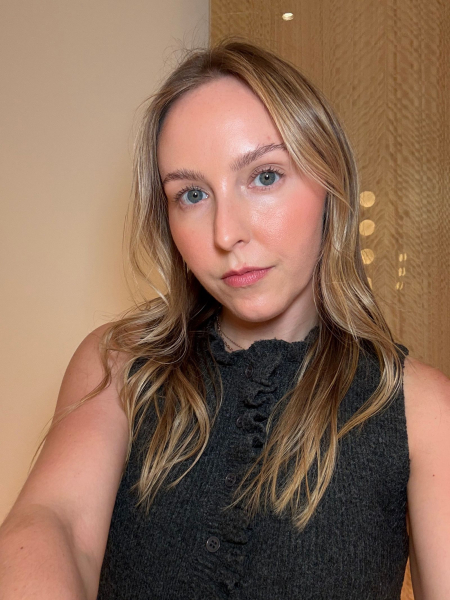
    Two weeks after my first appointment

    After my initial two-week checkup, when Dr. Levin inspected her work (and complimented me to no end), I couldn’t be happier with the results. The outcome is subtle but noticeably beneficial to my overall facial balance, at least as I see it. “You have incredibly beautiful bone structure in your mid-face,” says Dr. Levin. “You have a beautiful jawline. Your enhancement is actually quite mild.”

    Mild or not, the procedure has changed my life (not to sound dramatic). It changed my outlook on filler as a whole and gave me a big ol' boost of confidence. I have a chin! I have a jawline! And I can see both in photos—from every angle!—for the first time. It’s a beautiful feeling.

    Even more beautiful? The fact that I don’t need to get a re-up every few months. “Filler can last between 8 and 12 months, and sometimes longer, depending on the patient,” says Dr. Bhanusali. “So start slow and remember, you can always add more; it’s a marathon, not a sprint.” As someone who has run a marathon, I get it.

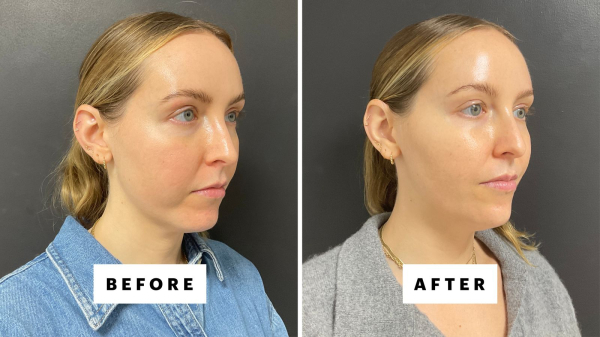
    side by side before and after photos of woman with chin filler

    Kinonen before and then two weeks after filler and neurotoxin injections in 2026.

    Courtesy of Entière DermatologyTwo years after my first appointment

    It's now been two years since my first marathon and initial filler appointment, and while I've halted my racing career, my filler journey is just getting started. The filler has been slowly dissolving over the last 24 months, so I was due for a refill.

    For my first appointment, Dr. Levin used almost two syringes of Volux, but for my second round this year, she pivoted to Voluma, a high-G-prime filler, and used only one syringe. “You still had a bit of support there, so I felt like we didn't need to use something so hardy,” she explains. “This year, I actually did even more jawline support (last time, we did it at the angle of the jaw all the way, like in front of your ear), but this time, I did the entire angle of the jawline. We actually filled the dips behind the jowl—we call it a post-jowl sulcus, so that you can straighten a wavy jawline.”

    She did this with the use of a cannula, which I'm not a big fan of. Sure, it doesn't pinch like a needle would, but it does feel…weird. Imagine a long, thin tube under your skin, pumping in filler—it's an odd sensation (more pressure, less pain) that doesn't bring me much joy. “We made a little entry site behind your jowl, so that we can thread the filler in the subcutaneous plane," she says. “It's like a smooth ribbon of filler.”

    And just like my first filler experience, Dr. Levin also built up the area around my mouth (filling in my marionette lines) with Juvéderm Vollure to give a bit more support to my chin. “It's a lot softer and is very flexible, so I like it for areas that need a lot of mobility,” she says, adding that Vollure can last up to 18 months.

    selfie of allure beauty director sarah kinonen

    Kinonen, two weeks after her filler appointment in early 2026.

    Courtesy of subject

    The results—a chin that falls directly under my mouth (as opposed to its previously receding position) and a sharper jawline with structure—speak for themselves. I have a chin and a jawline. And both are (temporarily) anatomically pronounced. Because of that last bit, I've been asking myself, Is this something I want to continue to do for the rest of my life? And dermatologically speaking, can I?

    “Yes, long story short, you can definitely continue getting dermal fillers, but is it going to be exactly the same every time? No,” says Dr. Levin. “The aging needs of when you're 60 are going to be really different when you're 35.” She says doing the same thing for every appointment can eventually look overfilled or distorted. “Sometimes you can't just keep on mimicking and giving high G-prime filler in the same way,” she adds.

    For now, though, I'm only 35, and I've got a few more decent filler appointments up my sleeve. Based on the results of my first two sessions, I will absolutely continue down the filler road. So, see you back here in two years for my next update?

  • 10 Best Face Moisturizers for Every Skin Type and Concern

    10 Best Face Moisturizers for Every Skin Type and Concern

    products on peach backgroundCollage: Paula Balondo; Source images: Courtesy of brands, Allure editorsSave StorySave this storySave StorySave this story

    Chances are, you already know to moisturize—but the real question is whether or not you have one of the best face moisturizers for your skin type and concerns. Oily skin loves a lightweight cream that won't clog pores and emphasize shine, while sensitive skin jives best with a fragrance-free cream formulated with proven soothing ingredients; combination skin, meanwhile, needs the right balance of moisture and oil control. No matter the season, moisturizers plump, soften, and comfort skin in ways that lighter-textured products like toners and essences can't deliver.

    Without proper hydration, your natural moisture barrier can gradually break down, leaving your skin feeling dry, tight, and prone to irritation. And, practically speaking, if you're already spending a pretty penny on your face serums (hey, retinal and growth factors), you'd be doing your skin a big disservice by not choosing the optimal moisturizer to seal in all of those hardworking ingredients.

    Our Top Tried-and-True Moisturizers

    • Best Overall: La Roche-Posay Toleriane Double Repair Face Moisturizer, $25
    • Best for Dry Skin Aestura Atobarrier 365 Cream, $32
    • Best for Sensitive Skin: Illiyoon Ceramide Ato Concentrate Cream, $29
    • Best for Normal to Combo Skin: Dieux Instant Angel Lipid-Rich Firming Moisturizer, $39
    • Best for Acne-Prone Skin: Dr. Althea 345 Relief Cream, $27
    • Best with SPF: Isdin Fusion Water Magic SPF 40, $38

    Our Top Newly-Tested Moisturizers

    • Best Plumping: Glow Recipe Watermelon Milk Peptide Cushion Cream, $40
    • Best for Dull Skin: Tatcha Longevity Cream, $84

    Over many years, we’ve tested hundreds of formulas and chatted with board-certified dermatologists for their recs—culminating in the ultimate list of tried-and-true formulas, as well as newer hits. Onwards to happy, hydrated skin!

    Frequently Asked QuestionsAccordionItemContainerButtonLargeChevron

    • Why do you need a face moisturizer?
    • What step is moisturizing in a skin-care routine?
    • Meet the experts
    • How our staff tests and reviews products
    • Meet our staff and testers

    Our Top Tried-and-True Moisturizers

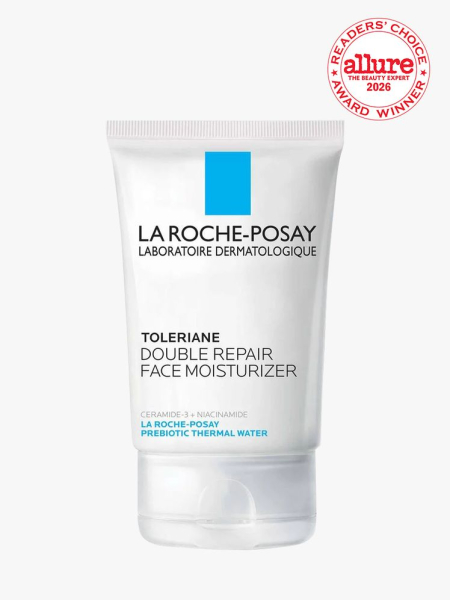
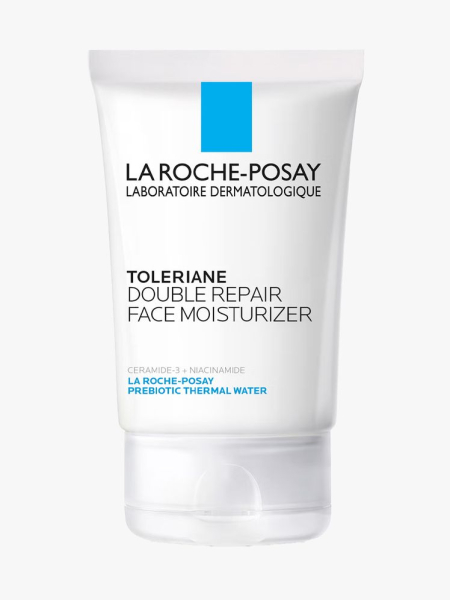
    Best Overall: La Roche-Posay Toleriane Double Repair Face Moisturizer
    La Roche-Posay Toleriane Double Repair Face Moisturizer in branded tube component on a light gray backgroundSave to wishlistSave to wishlist

    La Roche-Posay

    Toleriane Double Repair Face Moisturizer

    $25

    Amazon

    $26

    Ulta Beauty

    Allure senior commerce director Shanna Shipin applying the La Roche-Posay Toleriane Double Repair Face Moisturizer

    Shanna Shipin

    Why we love it: Honest question: When has La Roche-Posay ever steered us wrong? The French pharmacy brand's products are well-known for being sensitive-skin-friendly, so it's no surprise that our editors spanning all skin types—from normal to sensitive to combination—adore its products. The Toleriane Double Repair Face Moisturizer is as no-fuss and reliable as it gets: Fragrance-free and infused with La Roche-Posay's signature, soothing prebiotic thermal water, as well as ceramides and niacinamide, this cushiony formula is like a big hug for a stressed barrier. Derms are right there with us: “It has a lightweight cream-lotion feel that layers well under sunscreen and makeup without burning or heaviness for most sensitive types,” Shamsa Kanwal, MD, a board-certified dermatologist based in Portland, previously told Allure.

    Tester feedback from senior commerce director Shanna Shipin

    AccordionItemContainerButtonLargeChevron

    “It's up there with Aquaphor as a product that I can trust to perform no matter how dry or damaged my skin barrier is. It doesn't go big on fancy fine-line-reducing ingredients or anything, and instead focuses on hydration. It leaves my skin wrapped in a cocoon of moisture—but not the overbearing and itchy kind! It plays nicely with my angry eczema flare-ups, and has no fragrance, so I can use it on my kids, too.” —Shanna Shipin, senior commerce director

    More to know

    AccordionItemContainerButtonLargeChevron

    • Key ingredients: ceramides, glycerin, niacinamide, thermal water
    • Texture: cream
    • Best for: dry, sensitive skin (including eczema)
    • Fragrance-free: yes

    Best for Dry Skin: Aestura Atobarrier 365 Cream
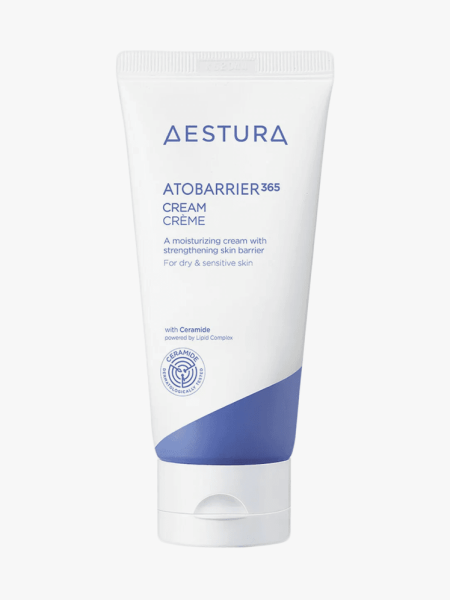
    Aestura Atobarrier365 Cream in white and blue branded tube component on a light gray backgroundSave to wishlistSave to wishlist

    Aestura

    Atobarrier 365 Cream

    $32

    Amazon

    $32

    Sephora

    Why we love it: The twin to Aestura's Best of Beauty Award-winning lotion, the Atobarrier 365 Cream is a lightweight cream you can apply to your face (or body) to instantly soften and smooth rough patches, while also minimizing redness and boosting moisture levels. Formulated particularly for dry, sensitive skin, Aestura’s dreamy cream is infused with micro triple-lipid capsules (composed of ceramides, cholesterol, and fatty acids) that burst upon contact with skin, supplying a surge of skin-smoothing moisture. Its fast-absorbing, cake-frosting-like texture means you can slather this lotion all over your body and immediately put on clothes without fabric sticking to your skin.

    This top-notch Korean moisturizer might not have the sexiest packaging, but at the end of the day, it's a dependable formula that does exactly what it sets out to do. “It has this frosting-like texture that just melts on your skin,” says David Kim, MD, a board-certified dermatologist based in New York City, who also likes to use it as a hand cream.

    Allure content director Sophia Panych applying the Aestura Atobarrier 365 Cream

    Sophia Panych

    Allure features director Dianna Singh applying the Aestura Atobarrier 365 Cream

    Dianna Singh

    Tester feedback from content director Sophie Panych

    AccordionItemContainerButtonLargeChevron

    “I like my face creams boring. Flashy packaging? Don't want it. Buzzy ingredients. Don't need 'em. That's why when I saw this cream on the giveaway table at work–with its basic blue-and-white tube, simple descriptor (Moisturizing Cream), and star ingredient (ceramides), I was sold before I even had the chance to slather it on. Luckily, the formula lived up to its basic-ness (and again, that's a very good thing). The silky cream has no scent, no bells and whistles, and leaves my temperamental, combination, 39-year-old skin feeling soothed and very, very hydrated. Since nabbing it off the free table, I've gone through two tubes, and I just found a travel-size tube that will be coming with me on my summer holidays. Oh, and did I mention it wears well under makeup? Well, it does, and makes you look glowier and plumper, too.

    Maybe it's not quite thick enough for very dry, cold environments, and if you prefer drugstore pricing, this is slightly higher than that, but I honestly think it's just a really well-formulated, easy-to-use, reasonably-priced face cream. I could do with a larger tube, though.” —Sophie Panych, content director

    Tester feedback from features director Dianna Singh

    AccordionItemContainerButtonLargeChevron

    “I love Aestura AtoBarrier 365 Cream as much for what it does for my skin as what it doesn't: The rich formula is deeply hydrating without causing irritation or congestion. When I apply it before bed, my skin feels noticeably softer and smoother come morning.” —Dianna Singh, features director

    More to know

    AccordionItemContainerButtonLargeChevron

    • Key ingredients: ceramides, cholesterol, fatty acids, allantoin
    • Texture: cream
    • Best for: all skin types
    • Fragrance-free: yes

    Best for Sensitive Skin: Illiyoon Ceramide Ato Concentrate Cream
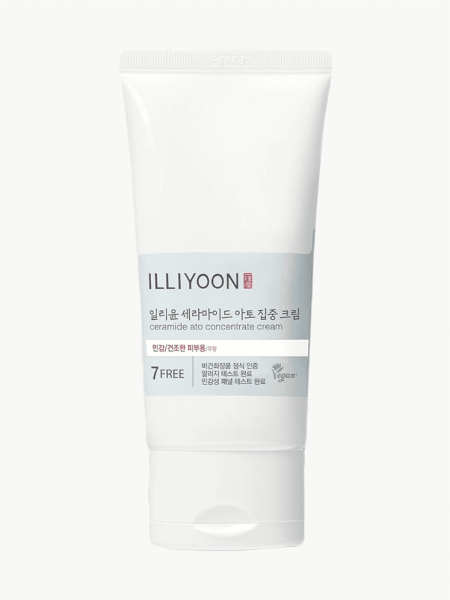
    Illiyoon Ceramide Ato Concentrate Cream in branded tube component on a light gray backgroundSave to wishlistSave to wishlist

    Illiyoon

    Ceramide Ato Concentrate Cream

    $25

    Amazon

    Allure former commerce writer Lily Wohlner applying Illiyoon’s Ceramide Ato Concentrate Cream

    Lily Wohlner

    Why we love it: Illiyoon’s beloved K-beauty cream has tons of fans (including us!), but it’s extra great for those with sensitive skin. The fragrance-free formula is loaded with barrier-boosting ceramides and hydrating glycerin, and it’s gentle enough for both adults and kids (which says a lot). It quickly soothes red, flaky skin, replacing irritation with a calm, smooth, deeply hydrated feel. With continued use, flare-ups become less frequent, and those with acne-prone skin can use it confidently, as this formula won’t trigger breakouts. Apply it morning and night to keep skin comfortable throughout the day and quietly repair it while you sleep.

    Tester feedback from former commerce writer Lily Wohlner

    AccordionItemContainerButtonLargeChevron

    “This Illiyoon cream has completely transformed my acne-prone, combination skin over the past two years, and I have its high concentration of plant-based ceramides to thank. It has strengthened my skin barrier, giving me that healthy, hydrated glow and a bouncy, soothed feel, all without irritation or breakouts (which is rare for me!). As a beauty writer who tests endless products, the fact that this moisturizer has remained a constant in my routine for two full years says it all.” —Lily Wohlner, former commerce writer

    More to know

    AccordionItemContainerButtonLargeChevron

    • Key ingredients: ceramides, glycerin
    • Texture: cream
    • Best for: all skin types, but especially those with sensitive, reactive skin
    • Fragrance-free: yes

    Best for Normal to Combo Skin: Dieux Instant Angel Lipid-Rich Firming Moisturizer
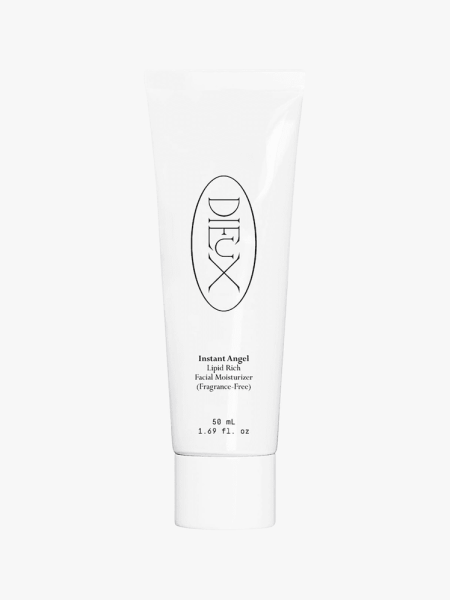
    Dieux Instant Angel Moisturizer on a grey backgroundSave to wishlistSave to wishlist

    Dieux

    Instant Angel Moisturizer

    $45

    Sephora

    $45

    Dieux

    Allure managing editor Alessandra Foresto applying the Dieux Instant Angel Moisturizer Lipid-Rich Firming Moisturizer

    Alessandra Foresto

    Why we love it: When in doubt, just dieux it. Ever since Instant Angel launched in 2022, our editors have routinely called out this moisturizer as one of the best—especially for dry, sensitive skin. It's rich and velvety and leaves behind a healthy glow without any residue that thicker creams might. (Note: While it is non-comedogenic, Dieux offers a gel moisturizer called Air Angel that's better suited for acne-prone skin.) Unsurprisingly, the key ingredients are a dream come true for a damaged, compromised barrier. Some highlights include a 3% Moisture Complex packed with glycerin, sodium PCA, urea, and sodium hyaluronate for immediate and long-lasting benefits, as well as a plant-derived lipid complex that mimics our skin's natural lipid layer to seriously replenish dried-out skin. Our standards are always high for skin care, but this cosmetic chemist-cofounded brand always meets them.

    Tester feedback from managing editor Alessandra Foresto

    AccordionItemContainerButtonLargeChevron

    “As an eczema-prone girlie with a tendency to get the occasional breakout, I take keeping my skin moisturized very seriously. My criteria includes gentle but effective ingredients, little to no fragrance, and wearing well under makeup (meaning no flakiness or pilling). This one hits all my needs! The hype about this moisturizer is 100% warranted. My skin looks so glowy right after application, and that glow shines through my makeup as well—I often get compliments on mornings I use it, so you know it's the lotion making a difference. The brand warns that this might not be the best product for acne-prone skin, but it works for my combination skin.” —Alessandra Foresto, managing editor

    More to know

    AccordionItemContainerButtonLargeChevron

    • Key ingredients: lipids and ceramides, 0.5% dipalmityl hydroxylproline peptide, 3% Advanced Moisture Complex (glycerin, urea, and hyaluronic acid)
    • Texture: cream
    • Best for: normal, dry, or combo skin
    • Fragrance-free: yes

    Best for Oily Skin: Beauty of Joseon Red Bean Water Gel
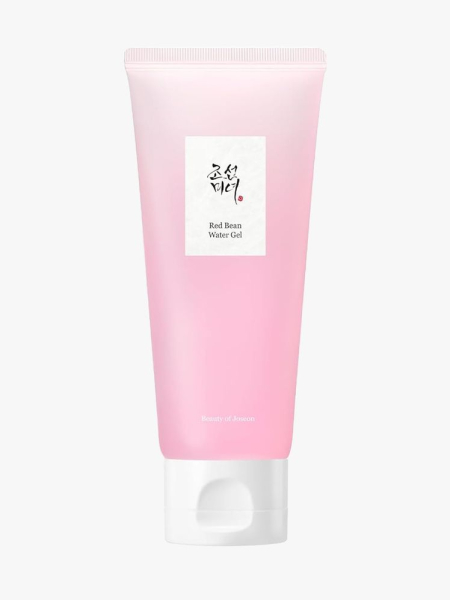
    Beauty of Joseon Red Bean Water Gel in branded tube component on a light gray backgroundSave to wishlistSave to wishlist

    Beauty of Joseon

    Red Bean Water Gel

    $18

    Amazon

    $18

    Sephora

    Allure commerce editor Sarah Han applying the Beauty of Joseon Red Bean Water Gel

    Sarah Han

    Why we love it: Beans aren't just part of a well-balanced diet; they have plenty of skin-care benefits, the most unique being that they are gentle exfoliants that sweep away dead skin and help absorb excess oil. Beauty of Joseon's Red Bean Water Gel is formulated with 44% Haenam red bean extract to provide said gentle resurfacing benefits. The finish is truly featherweight and undetectable, which is why it's a dream for combination and oily skin—or anyone who's looking for a lighter moisturizer for the humid days ahead. What is detectable, however, is the plumping finish courtesy of a hardworking peptide blend. Allantoin and panthenol also step in to help soothe and reduce redness. Not to mention, this pretty pink tube makes application easy and mess-free, which is always a bonus in our book.

    Tester feedback from commerce editor Sarah Han

    AccordionItemContainerButtonLargeChevron

    “I rotate moisturizers frequently as part of the whole beauty-editor job—they all more or less do the same job, okay?—but I've burned through two tubes of Red Bean Water Gels, and never want to be without one. Gel moisturizers are perfect for my combination skin because they hydrate without feeling heavy or emphasizing my oily, pore-ridden T-zone. Red Bean Water Gel, in particular, is chock-full of red bean extract to deliver moisture while also absorbing sebum (thanks to saponins)—a magical combo, if you ask me. It's cooling, refreshing, and layers wonderfully underneath my sunscreen and makeup sans pilling. I always want to look like a little dewy dumpling/cherub, and this does the trick!” —Sarah Han, commerce editor

    More to know

    AccordionItemContainerButtonLargeChevron

    • Key ingredients: Haenam red bean (Phaseolus angularis seed extract), glycerin, betaine, beta-glucan, panthenol, allantoin, triple peptide complex
    • Texture: gel
    • Best for: people with combination, oily, or acne-prone skin
    • Fragrance-free: yes

    Best for Acne-Prone Skin: Dr. Althea 345 Relief Cream
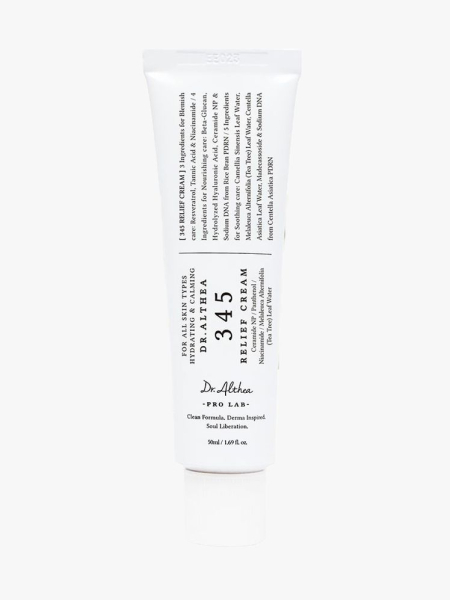
    Dr. Althea 345 Relief Cream in branded component on a light gray backgroundSave to wishlistSave to wishlist

    Dr. Althea

    345 Relief Cream

    $27 $23 (15% off)

    Amazon

    $27

    Ulta Beauty

    Allure former senior commerce editor Sarah Felbin applying the Dr. Althea 345 Relief Cream

    Sarah Felbin

    Why we love it: Dr. Althea 345 Relief Cream is a tried-and-true staple for those with oily and blemish-prone skin who want—nay, need—a balanced moisturizer. In fact, that's what the “345” stands for: three ingredients to treat blemishes and support a more even skin tone (tannic acid, niacinamide, resveratrol), four to lock in moisture and strengthen a stressed barrier (ceramides, beta-glucan, hyaluronic acid, and rice bran PDRN), and five to soothe irritation (includes cica, madecassoside, and tea tree leaf water). It's lightweight enough for daytime wear but has enough cushiness to round out your nighttime skin-care routine. As is common for Korean skin-care brands, this cream has gone through a few reformulations—first to remove artificial fragrances and colors, and the second time to make the formula fungal-acne safe by cutting out ingredients that can trigger yeast-related breakouts. (While fungal acne typically appears on the body, it can also pop up on the forehead, hairline, cheeks, and chin.)

    P.S. Dr. Althea's 345 Relief Cream is so popular that it's spawned a 345 Relief Serum, 345 Relief Cream Mist, and 345 Relief Cream Mask.

    Tester feedback from former senior commerce editor Sarah Felbin

    AccordionItemContainerButtonLargeChevron

    “The way this cream sinks in immediately should be studied. It's so lightweight and soothing, and it melts in seconds, leaving my skin hydrated and glowy. I love that it's not too thick or sticky, like some heavier moisturizers can be. In the winter, when I get dry patches around my mouth and nose, it does an excellent job of balancing my combination skin without turning greasy.” —Sarah Felbin, senior commerce editor

    More to know

    AccordionItemContainerButtonLargeChevron

    • Key ingredients: tea tree leaf water, niacinamide, glycerin, panthenol, hyaluronic acid, ceramides, Centella asiatica, madecassoside, Coptis japonica root
    • Fragrance-free: yes

    Best for Extra-Dry Skin: Rhode Barrier Butter
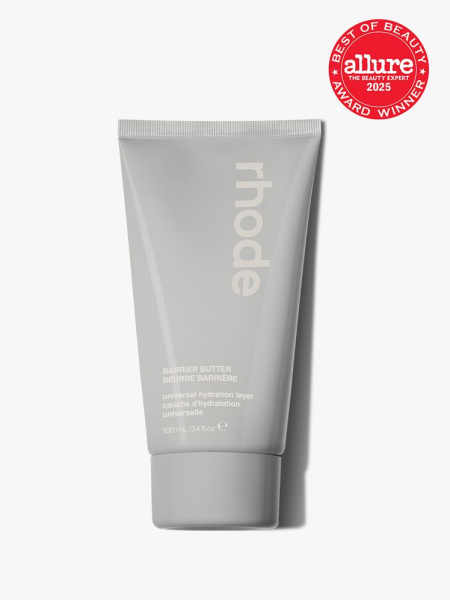
    Rhode Barrier Butter gray tube on light gray background with red Allure Best of Beauty seal in the top right cornerSave to wishlistSave to wishlist

    Rhode

    Barrier Butter

    $36

    Sephora

    $36

    Rhode

    Allure social media manager Bianca Richards applying the Rhode Barrier Butter

    Bianca Richards

    Why we love it: If you’re dealing with super dry skin, a psoriasis flare-up, or even rough spots on your elbows and knees, Rhode’s Barrier Butter (a 2025 Best of Beauty Award winner) delivers serious hydration, thanks to five molecular weights of hyaluronic acid that penetrate multiple layers of the skin, leaving it smooth, plump, and bouncy. To lock in that moisture, it’s also loaded with barrier-repairing ceramides and rich murumuru butter, so skin stays soft and protected all day without that dreaded greasy cast.

    Tester feedback from social media manager Bianca Richards

    AccordionItemContainerButtonLargeChevron

    "Despite what others might say, Rhode actually cracked the code for putting out the best moisturizer on the market. The Barrier Butter is ultra-rich in texture and instantly soaks into the skin so well—perfect for those who experience dryness and are looking to improve the skin barrier for long-term skin health. I've repurchased this product twice because it's just that good, and I can honestly say it's done wonders for helping to strengthen my barrier for a more natural, supple glow over time." —Bianca Richards, social media manager

    More to know

    AccordionItemContainerButtonLargeChevron

    • Key ingredients: hyaluronic acid, murumuru butter, ceramides, polyglutamic acid
    • Texture: balm
    • Best for: anyone who wants an intensely moisturizing, balmy moisturizer
    • Fragrance-free: yes

    Best for Rosacea: Dr. Jart+ Cicapair Intensive Soothing Repair Cream
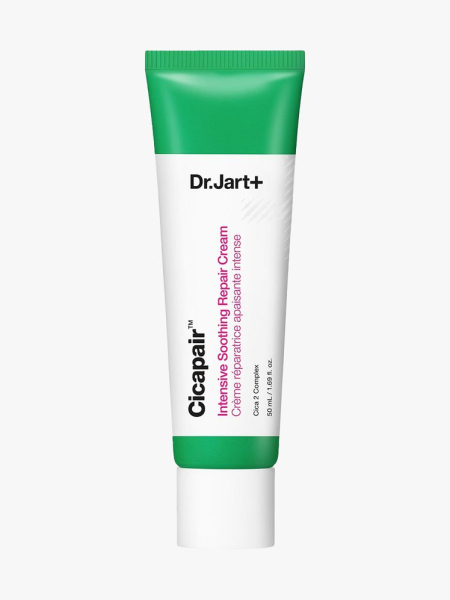
    Dr. Jart+ Cicapair Sensitive Skin Moisturizer for Redness green and white tube on light gray backgroundSave to wishlistSave to wishlist

    Dr. Jart+

    Cicapair Intensive Soothing Repair Cream

    $52

    Amazon

    $52

    Sephora

    Allure contributing commerce writer Christa Joanna Lee applying the Dr. Jart+ Cicapair Intensive Soothing Repair Cream

    Christa Joanna Lee

    Why we love it: Dr. Jart+ makes some of our favorite cica-infused skin-care products, like the Intensive Soothing Repair Cream, to curb sensitivity and redness. Used in Asian medicine for centuries, "cica (short for Centella asiatica) is believed to soothe and repair irritated skin," Ellen Marmur, MD, a New York City-based board-certified dermatologist, told Allure. The Cicapair Intensive Soothing Repair Cream pairs a cica complex with allantoin to calm irritation, while niacinamide provides a gentle boost of radiance. It layers beautifully beneath sunscreen and makeup but also holds its own as a nighttime moisturizer.

    Tester feedback from contributing commerce writer Christa Joanna Lee

    AccordionItemContainerButtonLargeChevron

    “Dr. Jart+’s Cicapair Intensive Soothing Repair Cream has become my go-to for calming down the redness around my nose and under my eyes (hi, allergies). It’s silky, semi-matte without being at all drying, and wears nicely under makeup. Just a heads-up: It comes out of the tube fast, but any extra is great for soothing dry patches on your body, too.” —Christa Joanna Lee, contributing commerce writer

    More to know

    AccordionItemContainerButtonLargeChevron

    • Key ingredients: Centella asiatica, allantoin, niacinamide, shea butter
    • Texture: midweight soothing cream
    • Best for: sensitive, redness-, or rosacea-prone skin
    • Fragrance-free: yes

    Best Firming: Innbeauty Extreme Cream Firming & Lifting Moisturizer
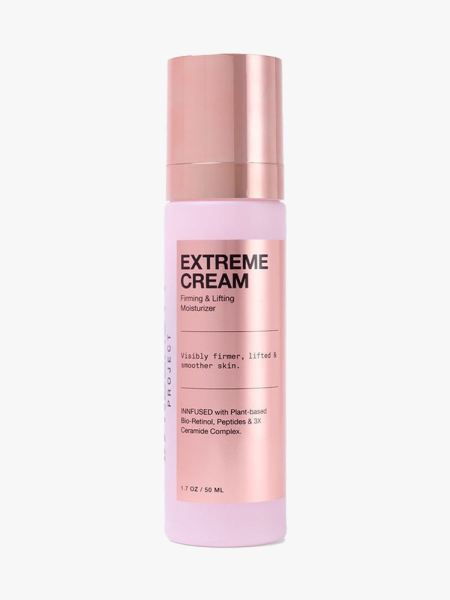
    InnBeauty Project Extreme Cream pink bottle on light grey backgroundSave to wishlistSave to wishlist

    InnBeauty

    Extreme Cream

    $48

    Sephora

    $48

    Innbeauty

    Allure beauty director Sarah Kinonen applying the Innbeauty Extreme Cream Firming & Lifting Moisturizer

    Sarah Kinonen

    Why we love it: Innbeauty had our interest piqued with “reverse emulsion technology.” Let us explain: The Extreme Cream Firming & Lifting Moisturizer is formulated with teensy water droplets suspended in oil droplets that burst upon contact, flooding skin with a glass-like glow. Despite its luxe cream texture, it layers beautifully and seamlessly underneath sunscreen and makeup, as our testers confirm. Ceramides (three types, to be exact), peptides, and plant-derived retinol are the stars here, working in tandem to lock in moisture, support your barrier, boost your skin's elasticity, and help firm the appearance of fine lines. Pair with Innbeauty's Extreme Cream Eye for a one-two lifting skin-care punch.

    Tester feedback from beauty director Sarah Kinonen

    AccordionItemContainerButtonLargeChevron

    “Due to the nature of my job as a beauty editor, I rarely go back to skin-care products I’ve hit pan on. There is an exception to the rule, though. And that exception is InnBeauty’s Extreme Cream. I loveeee this moisturizer, and have gone through approximately 24,873 bottles, give or take. Although it’s slightly rich in texture, it blends into skin easily, layers well over and under other skin-care products (and makeup!), and makes my skin feel so soft and dewy.

    Despite my not being the color pink's biggest fan (I've seen enough in my millennial days), I really do like the bottle and its overall packaging. It's smart but fun, which is how I think skin care should be. I love that it has a pump, too—it makes the application process less messy! Oh, and when I'm traveling, I like that I can pop out the inner tube and toss it into my toiletry bag without it taking over too much space. See? Smart!

    I have combination skin with a touch of sensitivity, and I find this moisturizer works just fine—if not great!—on my 35-year-old skin. I would recommend it to fellow 30-somethings and above because of the peptide-filled formula.” —Sarah Kinonen, beauty director

    More to know

    AccordionItemContainerButtonLargeChevron

    • Key ingredients: squalane, plant-derived retinol, 3% lifting peptides, ceramides
    • Texture: cream
    • Best for: dry, combination, mature skin
    • Fragrance-free: yes

    Best with SPF: Isdin Fusion Water Magic SPF 40
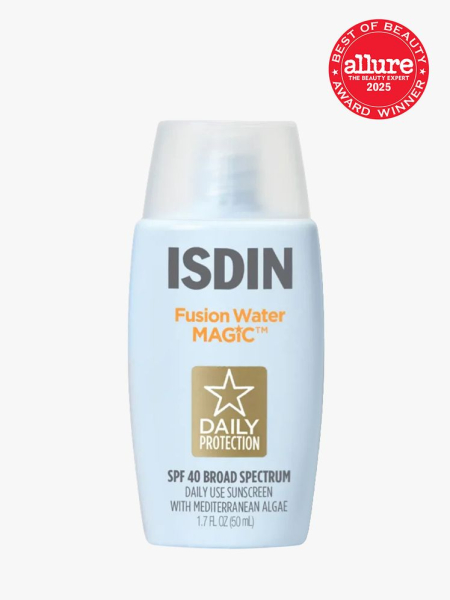
    Isdin Fusion Water Magic SPF 40 in branded blue bottle with clear cap on light gray background with red Allure Best of Beauty seal in the top right cornerSave to wishlistSave to wishlist

    Isdin

    Fusion Water Magic SPF 40

    $38

    Amazon

    $38

    Dermstore

    $38

    Sephora

    Allure editor in chief Jessica Cruel applying the Isdin Fusion Water Magic SPF 40

    Jessica Cruel

    Why we love it: If you like your moisturizers that feel like serums, look no further than Isdin's Best of Beauty-winning Fusion Water Magic SPF 40. Not only is there built-in UV protection that doesn't read chalky across any skin tone, but it's also so lightweight that it functions wonderfully as a makeup primer. (Pilling, who?) The finish isn't overly glowy—instead, think natural and breathable. The ingredients hard at work are antioxidant-rich Mediterranean algae to defend against oxidative stress (which leads to signs of aging popping up faster), hyaluronic acid to deeply hydrate, and vitamin E to maintain peak barrier health.

    Tester feedback from editor in chief Jessica Cruel

    AccordionItemContainerButtonLargeChevron

    “Too greasy, too shiny, too oily, too chalky—these are all complaints that I hear from my family when I ask them if they are using sunscreen every day. That's when I recommend this Isdin Water Magic formula. It's a chemical sunscreen that goes on like a moisturizer. The finish is not matte, but it won't leave you looking greasy. It absorbs quickly and blends seamlessly into my brown skin with no purple tint. It's the perfect fit for those who hate the idea of sunscreen because of the way it feels. This lightweight option will leave them with no complaints.” —Jessica Cruel, editor in chief

    More to know

    AccordionItemContainerButtonLargeChevron

    • Key ingredients: 9% octocrylene, 7.3% homosalate, 4.5% octisalate, 2.7% avobenzone, Mediterranean algae, hyaluronic acid, vitamin E
    • Texture: lightweight, water-based fluid
    • Best for: all skin types
    • Fragrance-free: yes

    Best for Summer: Then I Met You Bong2 Bounce Cream
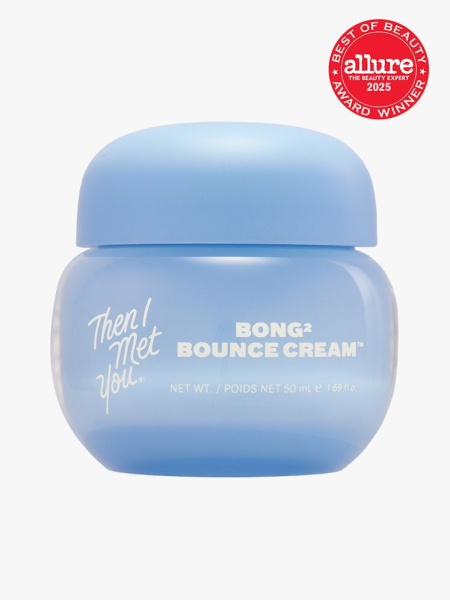
    Then I Met You Bong2 Bounce Cream in branded blue jar with cap on light gray background with red Allure Best of Beauty seal in the top right cornerSave to wishlistSave to wishlist

    Then I Met You

    Bong2 Bounce Cream

    $46

    Amazon

    $46

    Soko Glam

    Allure former senior news editor Nicola Dall’Asen applying Then I Met You’s Bong2 Bounce Cream

    Nicola Dall'Asen

    Why it’s worth it: Another K-beauty staple beloved by Allure editors, Then I Met You’s 2025 Best of Beauty Award-winning Bong2 Bounce Cream is the glowy skin-topper of our dreams. It’s ultra-lightweight and breathable, yet it locks in long-term moisture with ceramides, sea buckthorn, and squalane, then brightens with vitamin C–rich hallabong (a citrus fruit grown on Jeju Island, South Korea)—leaving skin with a bouncy, lit-from-within look. In case you’re wondering, the bright marigold hue is al naturale, a.k.a. the high lycopene and carotenoid content found in sea buckthorn. TL;DR This gel-cream is pretty much a nutritious, energizing smoothie for your face.

    Tester feedback from former senior news editor Nicola Dall'Asen

    AccordionItemContainerButtonLargeChevron

    “I like to call the process of moisturizing with this product putting on my ‘glow goo’ because this golden jelly gives me dewier skin than just about any other I've used in my lifetime. Plus, it’s astonishingly lightweight, so it never pills and rubs off.” —Nicola Dall’Asen, former senior news editor

    More to know

    AccordionItemContainerButtonLargeChevron

    • Key ingredients: vitamin C, ceramides, hallabong fruit
    • Texture: gel
    • Best for: all skin types
    • Fragrance-free: no

    Our Top Newly-Tested Moisturizers

    Best for Dull Skin: Tatcha The Longevity Cream
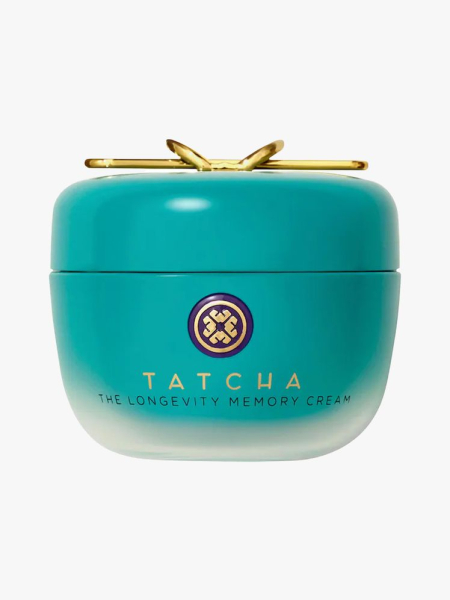
    Tatcha Longevity Cream in branded component on a light gray backgroundSave to wishlistSave to wishlist

    Tatcha

    Longevity Cream

    $84

    Amazon

    $84

    Sephora

    $84

    Ulta Beauty

    Shipin applying the Tatcha Longevity Cream

    Shanna Shipin

    Why we love it: If it's one thing we love about Tatcha (though there are many reasons), it's product texture—and The Longevity Memory Cream is the latest formula to prove our point. This pudding-like cream has a satisfying memory-foam-like bounce that transforms into a plush, velvety texture once it makes contact with your skin. The finish is ever so tacky (but not too much that it's uncomfortable), which is ideal for makeup prep, and you're left looking much dewier and more radiant—sort of like a wake-up call for your complexion.

    A bit of background: The Longevity Memory Cream is inspired by nuchi-gusui (meaning “life's medicine”), the traditional Okinawan diet rich in ancestral herbs and plants that have been used for many centuries. The core Okinawa Cellescence Complex is made up of tone-evening Shikuwasa lime, barrier-strengthening noni juice, and gently resurfacing shell ginger to both instantly and gradually brighten, promote elasticity, and deeply hydrate skin. What's not to love?

    Tester feedback from Shipin

    AccordionItemContainerButtonLargeChevron

    “My Goldilocks moisturizer! I was cycling through so many products that just didn't do it for my skin, but as soon as I started using the Longevity Cream, it was an instant mainstay. I finished my little sample tub and am now halfway through my big pot because I'm addicted to using this morning (sometimes midday) and night. It has a lightweight, gel-cream consistency, and feels a lot like a ‘bounce’ cream to me—literally! There's a wiggly, jiggly bounce-back when you tap on the surface of the moisturizer, and you really are best served by using the spoon to scoop a dollop out. I like to apply it directly to my face because it's simply fun, but I also warm it up between my fingers before applying. It looks and feels like the product texture: my skin feels more elasticated and bouncy, and it leaves a very slight grippy finish to the skin that is perfect for applying makeup over. (I skip primer most days now.)

    Once it absorbs, your skin looks so supple. My husband literally used the word ‘glistening’—more of this, please! I love that it hydrates my ultra-dry skin and does not irritate my eczema whatsoever, even though it has a subtle fresh citrus fragrance. I'm in my mid-thirties, so I am looking for products that can combat discoloration and wrinkles, and while I haven't seen any fading or evening of skin tone, I have noticed my skin is looking more plump and generally happier.” —Shanna Shipin, senior commerce director

    More to know

    AccordionItemContainerButtonLargeChevron

    • Key ingredients: Okinawa cellescence complex (shikuwasa lime, noni juice, and shell ginger extract), nonapeptide-1, bio-fermented hyaluronic acid
    • Texture: midweight, bouncy gel-cream
    • Best for: people with dry and/or mature skin
    • Fragrance-free: no

    Best Plumping: Glow Recipe Watermelon Milk Peptide Cushion Cream
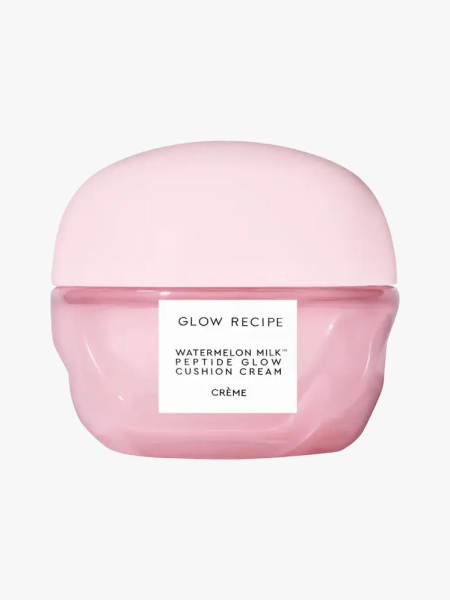
    Glow Recipe Watermelon Milk Peptide Cushion Cream in branded component on a light gray backgroundSave to wishlistSave to wishlist

    Glow Recipe

    Watermelon Milk Peptide Cushion Cream

    $40

    Sephora

    Allure social director Kassidy Silva applying the Glow Recipe Watermelon Milk Peptide Cushion Cream

    Kassidy Silva

    Why we love it: If you're a day-one Glow Recipe, you know that the K-beauty-inspired brand's first-ever product was the Watermelon Glow Sleeping Mask, a deliciously gooey overnight AHA treatment to buff away dead skin and reveal baby-soft skin by morning. Since then, the Watermelon Glow line has birthed many more fan-favorites—hey, Watermelon Glow AHA Pink Dream Body Cream, a three-time Readers' Choice Award winner.

    But what if you're sensitive to acids? Meet the Glow Recipe Watermelon Milk Peptide Cushion Cream, which relies on 10 peptides to help firm skin and smooth fine lines, watermelon milk (a.k.a. a blend of watermelon extract and squalane that's responsible for the formula's silky texture). Toss in glycerin, panthenol, and ceramides, and you've got yourself the perfect recipe (see what we did there?) for intense hydration and barrier care—without any potential sting. The texture is balanced, too—lightweight and breathable, but feels like a tall glass of water for your skin.

    Tester feedback from social director Kassidy Silva

    AccordionItemContainerButtonLargeChevron

    “With chronic skin conditions, it's rare that I'll switch up my go-to skin-care products, especially moisturizers. But the Glow Recipe Watermelon Milk Cushion Cream is 50 milliliters of bouncy perfection. It’s similar to the most popular moisturizers coming out of Korea right now too, with my ideal balance of hydration, weight, and lasting power.”

    I use four nickel-size dots on my forehead, cheeks, and chin, morning and night. It has a quick dry-down time, so in less than five minutes, I'm on to the rest of my routine. I'm not a big fan of thick creams, especially at night, and find this one to be light and wearable but still provides the deep hydration that my dry skin needs.” —Kassidy Silva, social director

    More to know

    AccordionItemContainerButtonLargeChevron

    • Key ingredients: Watermelon Milk (watermelon extract and squalane), 10 peptides, glycerin, ceramides, panthenol
    • Texture: gel
    • Best for: dry, sensitive skin
    • Fragrance-free: no

    Frequently Asked Questions

    Why do you need a face moisturizer?

    "Moisturizers are an essential part of every skin-care routine," says Shereene Idriss, MD, a board-certified dermatologist in New York City. "Just as our bodies require us to hydrate with water, so does our skin." While our skin appears dewier almost instantly, the real benefits show up in the long term. The consistent use of moisturizers slows down the rate and intensity at which fine lines and wrinkles appear, Dr. Idriss says.

    This daily philosophy applies to all skin types and not just dry skin. "Overwashing without the appropriate use of a moisturizer will trigger an overproduction of oil on your skin," says Divya Shokeen, MD, a board-certified dermatologist in Torrance, California. In short, if you don't rehydrate your skin, it will become dried out and irritated, which then opens your skin up to a cache of troubles.

    "People confuse oil with hydration, so they don't properly hydrate the skin," says New York City-based board-certified dermatologist Doris Day, MD. "We now have really great ingredients, like hyaluronic acid, which balances oil and water in the skin." Increased hydration supports a stronger barrier, Dr. Day says, which also helps curb oil production.

    What step is moisturizing in a skin-care routine?

    Consider your moisturizer as the cellophane that seals in the rest of your skin-care routine. In our beginner-friendly skin-care guide, dermatologists recommended three simple steps: cleanser, moisturizer, and sunscreen (during the day, of course).

    A basic rule of thumb is, after cleansing, use products with the lightest texture first and work your way down to denser formulas like moisturizers. Using your moisturizer after serums and treatments like toners and essences is crucial for getting the most out of your products, according to Wilson. "They seal in serums on your skin, which can make them more effective." After moisturizing, you can layer oil to make your skin look even dewier. And again, never forget to apply your last (and arguably most important) layer, sunscreen, if you're headed out for the day.

    Meet the experts

    • David Kim, MD, a New York City-based board-certified dermatologist
    • Shereene Idriss, MD, a board-certified dermatologist in New York City
    • Divya Shokeen, MD, a board-certified dermatologist in Torrance, California
    • Doris Day, MD, a board-certified dermatologist in New York City
    • Ni'Kita Wilson, a cosmetic chemist based in New York City
    • Shamsa Kanwal, MD, a board-certified dermatologist based in Portland

    How our staff tests and reviews products

    When Allure tests a product, our editors look at it from every angle to best serve you. We review ingredients, scrutinize brand claims, and, when necessary, examine peer-reviewed scientific and medical studies. In addition to testing each and every product that's included in each and every review, we rely on experts who shape their fields, including dermatology, cosmetic chemistry, and medicine, to help us vet the ingredients and formulas.

    For our list of the best face moisturizers, we considered each product's performance across five primary categories: product ingredients and efficacy, packaging, fragrance, texture, and product wear. Every product was determined to have excelled in each category by our editorial team, which is composed of in-house writers and editors as well as contributors—along with special consideration from board-certified dermatologists who test and recommend moisturizers almost every day. To learn more information on our reporting and testing processes, read our complete reviews process and methodology page.

    Meet our staff and testers

    A beauty product is a personal purchase. You might be searching for a face cream to address persistent dryness or a new nail product to add to your Sunday self-care routine; you may simply be browsing around for the latest launches to hit the hair market. No matter what you seek or your individual needs and concerns, Allure wants to ensure that you love anything we recommend in our stories. We believe that having a diverse team of writers and editors — in addition to the wide range of outside testers and industry experts we regularly call upon — is essential to reaching that goal.

    After all, can we really say a skin-care product is the "best" for people over 50 if the only testers we've solicited opinions from folks who have yet to hit 30? Can we honestly deem a high-end diffuser worthy of your hard-earned cash if it’s never been tested on curls? We're proud that our staff spans a wide range of ages, skin tones, hair textures, genders, and backgrounds, which means that we are able to fairly assess any beauty product that comes into the beauty closet.

  • 4 Black Women Over 50 on Going Natural During Menopause

    4 Black Women Over 50 on Going Natural During Menopause

    Images of three Black women over 50 with natural hairCourtesy of subjectsSave StorySave this storySave StorySave this story
    “I’m just going to cut the rest of it off.” These words looped through Susan Wiley’s mind as she sat in the salon chair, working up the courage to finally part ways with her relaxed hair. The 60-year-old had permed her hair every six weeks for 30 years before realizing that chemically straightening her hair had become a time-consuming and self-imposed obligation. “I was so exasperated with having to go to a salon and spend my whole Saturday waiting on hairstylists that were running late,” she says.

    As Wiley entered menopause and experienced the hot flashes, hair-thinning, and other physical symptoms that come with it, her straightening treatment—once, a moment for pampering—became an exhausting chore.

    Black woman in her 60s wearing natural hair

    Susan Wiley in 2025, wearing her natural hair.

    Courtesy of Susan Wiley

    Like Wiley, many Black women in their 50s and beyond reach the same breaking point and choose to ditch their relaxer. Brendnetta Ashley, a hairstylist in San Francisco, has recently noticed this shift as her more mature clients have started going through menopause. With the hair changes that often come with it, “they didn’t want to put any extra stress on their hair, like getting a relaxer or using harsh chemicals,” says Ashley.

    Facing the physical realities of aging, these women are going natural in response to what their hair is already going through, and it requires unlearning decades of messaging about what is acceptable for Black hair.

    Robin Richards’s big chop was more spontaneous when, at 55, she “just got up from the kitchen table and went upstairs and chopped it.” Richards was tired of scheduling hair appointments every few weeks, ultimately letting go of the ritual when she learned of reports linking chemicals commonly found in relaxers to cancer. She’s been natural for four years now.

    While many millennial and Gen Z Black women embraced their natural texture during the YouTube-driven natural hair movement of the early 2010s, older Black women were often left out of the cultural conversation. The faces of the movement, from the models fronting natural hair campaigns to the content creators filming washday tutorials, were overwhelmingly young—women like Chizi Duru, now 30; Whitney White, now 40; and Shaneice Crystal, 31.

    Richards vaguely remembers seeing messages on social media around 2016 about Black women embracing their natural hair. “I was pleased that wearing our natural hair was more accepted,” she says, but she wasn’t heavily involved in or influenced by the discourse.

    As the Black community is on the verge of another natural hair movement, older women are finally entering that conversation and sharing their experiences. We spoke to four Black women over 50—Wiley, Richards, Avvi Forcer, and Marie Randall—who went natural later in life. For these women, parting with the comfort and familiarity of straight hair required more than a social trend. It would take a deeply personal desire to return to their most authentic selves.

    Why are more Black women over 50 going natural now?

    For many Black women, going natural wasn’t simply a matter of trying a new style. It required unlearning decades of messaging that framed straight hair as more professional, manageable, and ultimately more acceptable. All four women we spoke to said they had considered going natural earlier in life, but the limited product options, a lack of education around caring for natural hair, and the social pressures tied to straightened styles often kept them from making the transition sooner.

    For Wiley’s generation, straight hair wasn’t simply about aesthetics; it was often tied to social survival. Raised during the early years of integration following the Civil Rights Movement, many older Black women learned to view straightened hair as a way to navigate predominantly white schools, workplaces, and social spaces more safely. “For women my age who grew up back in the ’80s, our hair was not celebrated at all; everybody had a relaxer back then,” says Wiley, who was raised in a predominantly white neighborhood in Maryland. “My hair didn't look like my friends’ hair. So all of those things painted this negative picture that I carried all the way into adulthood,” Wiley says.

    Many millennial and Gen Z women—including myself—explored going natural in college as part of the common self-discovery that comes with leaving home. This was during the beauty boom on YouTube during the 2010s, where there was a rise in service-driven beauty tutorials on the platform. Many of us saw washdays as an opportunity for pampering and experimentation with the different hair products and styles that our favorite YouTube creators were touting.

    Black women in Gen X, however, had a different experience. Wiley recalls that during her high school and college years, Black women didn’t have nearly as many styling options as they do now, and there weren’t tutorials to guide them through the process (YouTube launched in 2005 when these women were in their 40s). Braids, silk presses, and similar styles weren’t “really a thing.” Your hair was either relaxed or worn in its natural texture—and the latter wasn’t very common. Richards, who began relaxing her hair when she was 13-years-old, echoes this: “It was easier for it to be relaxed; that way, it could just be washed and put in a ponytail,” she says.

    Susan Wiley with relaxed hair in 2012

    Wiley with relaxed hair in 2012.

    Courtesy of Susan Wiley

    When these women graduated from college, the pull to conform to Eurocentric standards didn’t subside—if anything, it intensified. They faced pressure that influenced not only how they styled their hair but also how they presented themselves in the workforce. “Being in corporate America, you always just wanted to stay mainstream,” says Richards, who works in the medical field. “You didn't want to bring any attention to your hair or to the fact that it was different.” This was before the CROWN Act (legislation designed to prohibit workplace discrimination based on hair texture) was enacted, so women of Richards’s generation really felt that wearing their natural hair at work wasn’t an option.

    Wiley faced a similar dynamic in her career. “You get so used to this idea of code-switching and trying to present yourself in a way that is acceptable to other people,” she says, noting that relaxers became such a part of her identity that the idea of wearing natural coils to work felt intimidating.

    The pressure to conform didn’t always come from outside the Black community, though. As the saying goes: “It be your own people.” Forcer experienced this firsthand 13 years ago. She was 43 and wearing her natural hair at a family member’s wedding. “Everyone had relaxed hair,” she says, adding that she felt uncomfortable because her hair made her feel like she wasn't “dressed up” enough.

    Two years later, she got an invitation to attend another wedding with the same family members. This time, she chose to relax her hair before the festivities. “I always loved the natural look, but I wasn't as grounded in myself, so I gave in and got a relaxer,” she adds.

    A few years after getting a relaxer, scalp dermatitis drove Forcer to go natural again. This time, she had more confidence—and the look stuck. She’s now 56 and has not used a relaxer since.

    Like Richards, Randall, 59, went natural at 55. Her decision to do so, though, was part of a much larger emotional reset. Randall got her first perm at seven years old and consistently relaxed her hair for nearly five decades. After losing her mother in 2021, Randall took time away from work to focus on her mental and physical health. Cutting off her relaxed hair was a part of that reset. “I did the big chop myself, before I went into a salon,” she says. “The next day, I looked in the mirror, and I had all these beautiful curls—really short, but really beautiful.”

    Marie Randall after her big chop in 2021

    Marie Randall after her big chop in 2021.

    Courtesy of Marie Randall

    Before her big chop, Randall had already scaled back her relaxer touch-ups to twice a year instead of every few months. As a result, she began noticing more of her natural texture peeking through at the roots than ever before, which made her realize she didn’t actually know what her natural hair looked like.

    Having started on relaxers as children and teenagers, the women we spoke to spent decades disconnected from their natural texture. Eventually, curiosity became reason enough to meet that version of themselves again. Wiley, Forcer, Randall, and Richards also found that age came with less regard for what other people thought about them. “As I was approaching menopause and all these physical changes, I got really tired of performing for people. I just decided to present myself as who I naturally am,” says Wiley.

    Richards relates to this desire to be unapologetic in her later years. “I used to always tell my son, 'When I turn 60, I'm going to chop all my hair off, and I'm going to color it blonde and buy me a convertible,'” she says. “Because when you get older, you don't have to fit in. You're more accepting of how you look and how you feel, versus when you're younger, trying to stay with the trends and have long, beautiful hair.”

    How do menopause and aging affect relaxed hair?

    Hair damage from relaxers isn’t exclusive to people in their 50s and older. However, the negative effects of chemical straighteners can become more pronounced with age. “As women get into menopause, something called miniaturization happens,” says Yolanda Lenzy, MD, a board-certified dermatologist in Massachusetts. “It’s when the hair follicle gets smaller.” She explains that it occurs due to the large drop in estrogen and progesterone that happens during menopause. The result is sparser hair. Add relaxers into the mix, and your hair can appear even thinner. “Relaxers break disulfide bonds in the hair, causing curls to become straight, but when you’re already experiencing thinning, perming your hair is going to lead to decreased hair density,” Dr. Lenzy says. “So even though you have the same amount of hair, perming it can make it look less full as opposed to if you had it natural.”

    Richards recalls experiencing exactly what Dr. Lenzy described: thinning hair caused by a combination of the natural miniaturization process and her continued perm appointments. Wiley, too, found that as she aged, her hair changed. It became drier and more brittle, and suddenly the relaxer that she’d gotten for years without issue no longer felt compatible with her hair. “I did not have this beautiful, long, flowing, relaxed hair. My hair was very, very short, and it was broken and damaged.” Eventually, she had to ask herself, Why am I doing this?

    Dr. Lenzy explains that hair density isn’t the only thing that can change. “I’ve definitely seen textural changes that come with aging and menopause,” she says. “If you had very coarse hair in your younger years that’s now becoming fine and looser in texture, you could run into some issues if you continue to relax your hair.” Dr. Lenzy adds that the main risk of continuing to relax natural hair that’s becoming finer and looser in texture is also loss of density.

    For her patients who are dealing with thinning and hair loss caused by menopause, Dr. Lenzy prescribes minoxidil either in a topical form or as a prescription tablet. And for those who want a more natural alternative, “pumpkin seed extract has been found to help lengthen the growth phase of the hair cycle,” she says.

    Caring for natural hair after giving up relaxers

    When you’ve gone for decades disconnected from your natural hair, there can be a learning curve in figuring out how to care for your curls and coils. Randall and Richards opted for a big chop upfront, while Wiley and Forcer chose to transition, partially because they were nervous about having to suddenly care for a texture they were unfamiliar with.

    “I kept my relaxed ends for about as long as I could,” says Wiley, whose journey to natural hair took about a year. “I remember the day I cut off my relaxer and just had natural hair. I felt this feeling of freedom. I didn't really realize it, but having a relaxer kind of made me feel trapped, and I think that was because I felt it was like an obligation, like I had to do it.” No longer being completely bound to a relaxer, these four women began navigating the fun, at times frustrating, terrain of natural hair care.

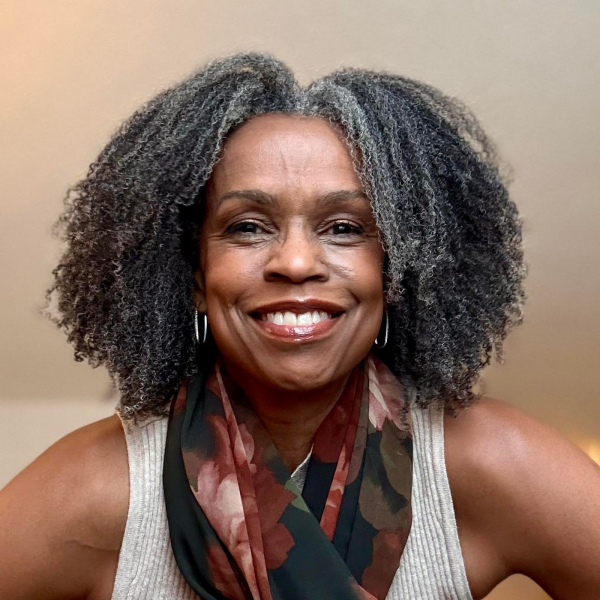
    Wiley often wears her hair in a stretched state, combing through her gray coils with a blow-dryer before doing a braid-out. “My hair is something that I'm still learning how to work with and how to do the things that are going to make it look its best,” she says, adding that going natural has even helped her embrace her grays.

    Susan Wiley in 2026 wearing her natural hair.

    Wiley in 2026, wearing her natural hair.

    Courtesy of Susan Wiley

    Richards still prefers to wear her hair straight and gets a silk press every two weeks, though her natural pressed hair is fuller and healthier than when it was relaxed; plus, she loves being able to wear it curly whenever she wants.

    Older Black woman with silk pressCourtesy of Robin Richards

    One of the most surprising things about going natural for these women has been the ease of caring for their hair. There’s a common sentiment in the Black community that textured hair (especially type 4 hair) is hard to manage. This misconception is part of the reason these women held on to their relaxers for so long. But Randall has found that washday is not as time-consuming as she thought, and is actually enjoyable. Now, she makes it a self-care day, picking a Saturday or Sunday to wash her hair, deep conditioning while she does chores, then styling it in twists or braids. “It feels more rewarding,” she says.

    Regardless of age, Dr. Lenzy tells all her patients with natural curls and coils to wash their hair once a week. Going two weeks without a wash is acceptable, but ideally no longer than that. Ashley gives her clients the same guidance. “I recommend using a hydrating shampoo and conditioner, considering deep conditioning [weekly], especially if the hair is on the drier side, and using a water-based moisturizer versus a lot of oils on the scalp,” says Dr. Lenzy, who adds that products heavy in oils and occlusives “can create a breeding ground for dandruff or seborrheic dermatitis by feeding the yeast that naturally lives on the scalp.”

    Going natural for Gen Z and millennial Black women usually looks like a lot of DIY (with the help of YouTube and TikTok ‘experts’), but for Gen X, the salon is still their main source of hair-care knowledge—and even community. “Many of my mature ladies actually need the assistance. So that's where we [stylists] come into play by offering these maintenance services,” says Ashley. “I like to do a lot of two-strand twists on them. That way, they can wear that style for maybe a week. Ashley teaches her clients how to undo the twists so they can wear a twist-out for an additional week. “This way, they're getting two weeks of wear out of the style versus having to frequently do their hair, which can be more strain on them,” she adds.

    No matter your age, embracing your natural hair as a Black woman can be an emotional and transformative experience—one that goes far beyond aesthetics. For women who have spent decades wearing relaxers, that shift can make them feel especially vulnerable. But for those ready to take the leap, Forcer, Randall, Wiley, and Richards say the decision can also be freeing: an opportunity to prioritize health, rediscover themselves, or simply move through the world more authentically. As Richards says, “You have no idea what lies under there. Your hair is beautiful.”

  • Why We’re Still Seduced by Marilyn Monroe’s Doomed Glamour

    Why We’re Still Seduced by Marilyn Monroe’s Doomed Glamour

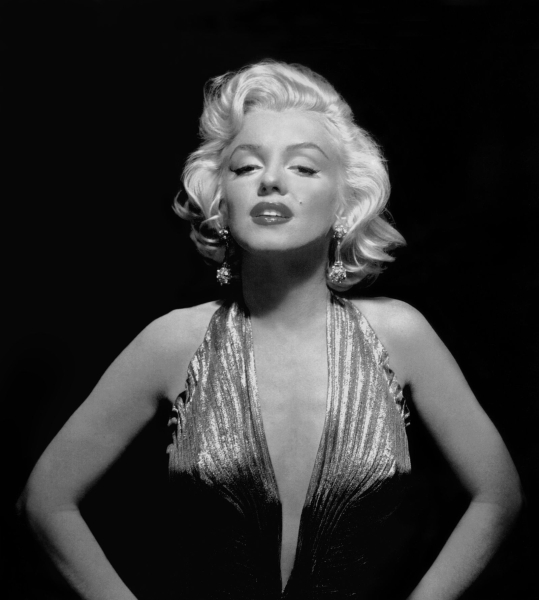
    Actress Marilyn Monroe poses for a publicity still for the 20th Century Fox film 'How to Marry a Millionaire' in 1953 in...Getty ImagesSave StorySave this storySave StorySave this story

    On the occasion of Marilyn Monroe’s 100th birthday, Allure revisits a story journalist and author Rebecca Mead wrote for our August 2012 issue to commemorate the 50th anniversary of the star's death. In the piece, Mead examines Monroe's legacy, and how her disarming beauty still holds the power to seduce today.

    In March 1955, Life magazine featured a familiar figure on its cover: an actress with a cap of platinum-blonde curls, her deep-set eyes accentuated with bat-wing eyeliner and high-arched brows, her pink lips parted in a smile that revealed a row of perfect white teeth. It was the look of Marilyn Monroe, who at the time was riding the wave of her comic, bombshell popularity. Less than two years earlier she'd appeared in Gentlemen Prefer Blondes singing “Diamonds Are a Girl's Best Friend,” and within a few months she would be seen again, in another fluttering moment of exposure, having her white dress blown above her knees in The Seven Year Itch.

    But the young woman on that 1955 magazine cover was not Marilyn Monroe. She was Sheree North, a 22-year-old former burlesque dancer (and former brunette) whose chance had come: Monroe's studio, Twentieth Century-Fox, had hired North as an alternative to Monroe, casting her in a movie called How to Be Very, Very Popular, in which she played a striptease dancer who witnesses a murder—a role written for, and rejected by, Monroe, who aspired to more serious dramatic work. When, a few months after the Life cover, North appeared as a mystery guest on the TV show What's My Line? and was asked by a blindfolded Bennett Cerf if she had ever been mentioned in the same sentence as Monroe, she replied with some chagrin, “I think that all of us have.”

    North's opportunity came and went: After a couple of years she was eclipsed by somewhat more durable Marilyn substitutes, including Jayne Mansfield and Mamie Van Doren. But if North was the first actress who was obliged to mold herself in the remarkable shape of Marilyn, her example has been followed by countless others since.

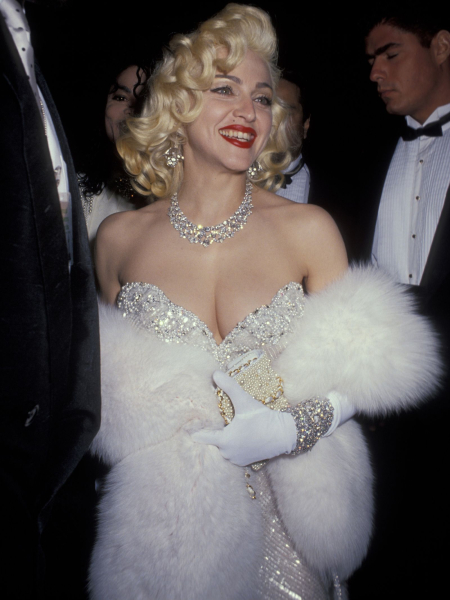
    Madonna at the Oscars in 1991 dressed as Marilyn Monroe.

    Madonna channeling Marilyn at the Academy Awards in 1991.

    Getty ImagesLady Gaga poses with award for Best Actress TV Series or Limited Movie for her role in American Horror Story Hotel in...

    Lady Gaga evokes the starlet at the 2016 Golden Globes.

    Getty Images

    For many actresses, channeling Monroe, who died 50 years ago at 36 of an overdose of barbiturates, is virtually a rite of passage. Nicole Kidman impersonated Monroe for Australian Harper's Bazaar; Scarlett Johansson did her for a Dolce & Gabbana ad; Lindsay Lohan, an avowed Monroe obsessive who bought a West Hollywood apartment the star once lived in, reenacted for New York magazine the actress's famed nude shoot with Bert Stern, in which Monroe posed behind colored chiffon and bit a pearl necklace. For makeup artist Kevyn Aucoin, Lisa Marie Presley shed her resemblance to one American icon—her father, Elvis—to incarnate, uncannily, that other lost legend. Monroe's likeness is so recognizable that it has been refracted through pop-cultural iterations many times over: Guess model Anna Nicole Smith presented herself as a coarser version of Monroe, while subsequent models for the same brand impersonated Smith impersonating Monroe. Most famously, Madonna took the trappings of Marilyn's look and put them to her own uses: As Gloria Steinem observed in the mid-1980s, “She has imitated Marilyn Monroe's hair, style, and clothes, but subtracted her vulnerability.” And Monroe's blonde legacy is so unmistakable that Lady Gaga's platinum pose recalls Monroe because of its evocation of Madonna.

    Why does Monroe endure? She wasn't Hollywood's first voluptuous, fair-haired beauty. She wasn't even Hollywood's first voluptuous, fair-haired beauty who died at a tragically young age: That would be Jean Harlow, for whom the term “blonde bombshell” was coined in 1933, and who died four years later at the age of 26, from kidney failure. But Monroe is the one whose beauty is so instantly recognizable that it can be indicated merely by a handful of components: blonde bouffant hair; sleepy, half-shut eyes; slightly parted lips on the verge of a welcoming smile. Andy Warhol's Marilyn silk-screen prints, which he made in the immediate aftermath of her death and which were reproduced from a publicity photo from the 1953 thriller Niagara, reduced her image to those very components, highlighted in vivid Pop Art color. Monroe's beauty belongs to a common language of American pop culture—a fact that was evident even as early as 1955. As Sheree North observed in Life magazine, “Marilyn's an institution, like Coca-Cola.”

    Monroe's own debut on the cover of Life happened in 1952. In what now seems a striking choice of phrase, the magazine characterized the young actress—who had already appeared in small roles in All About Eve and The Asphalt Jungle and was about to be seen in her first starring role, in Don't Bother to Knock—as a “sturdy blonde.” If sturdiness is not the first characteristic that leaps to mind when considering Monroe, whose legend is bound up with her frailness and vulnerability, it's easy to understand why it could have seemed an apposite description back then. Monroe's vital statistics were reported to be about 36-22-35: She was full and fleshy where it mattered, in the breasts and the hips, and narrow and nipped in at the waist. She had, with only the slightest help from the corset-and bra-building industries, a figure that looks to contemporary eyes as if it were generated by digital trickery.

    Actress Marilyn Monroe in a scene from 'The Seven Year Itch' in 1955.Getty Images

    Even if her curves exceeded the standards of beauty that have prevailed in the fashion industry in recent decades (“I'd kill myself if I was as fat as Marilyn,” Elizabeth Hurley once said), her body shape has an enduring appeal. In 2004, a Polish anthropologist named Grazyna Jasieńska published findings indicating that women with hourglass figures may have higher levels of the hormones that facilitate conception and pregnancy—evidence that there is a possible biological explanation for Monroe's sex-goddess appeal.

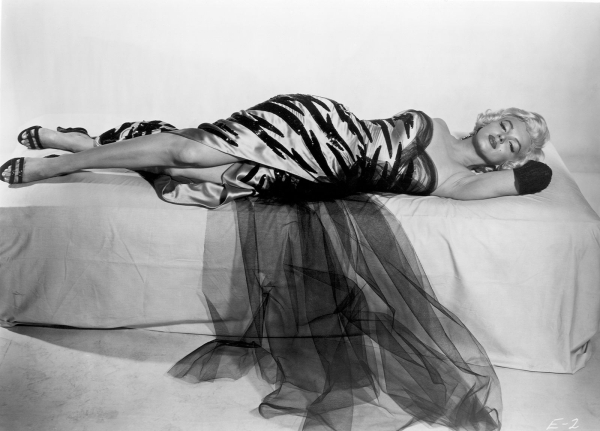
    After her first, silent screen test, which was done in 1946 when she was 20, “every frame of the test radiated sex,” according to cinematographer Leon Shamroy, quoted in The Secret Life of Marilyn Monroe (Grand Central Publishing), a biography by J. Randy Taraborrelli. Whether or not she is, as she has sometimes been described, “the world's most photographed woman” (in the digital age, there are probably teenagers with more pictures on Facebook than were ever taken of Monroe), it seems likely that she was the woman most photographed lying down. Even in her first Life shoot, she is seen lounging on a chaise, and so many photographers portrayed her in horizontal languor—including a shot for the first issue of Playboy, in 1953—that it sometimes seems as if she rarely got onto her size-7 feet.

    “Women couldn't take her seriously enough to be indignant: She was funny…in a way that made people feel protective.”

    Billy Wilder, who directed her in The Seven Year Itch and Some Like It Hot, remarked upon the “luminosity” of Monroe's face. She seemed literally incandescent: her skin was covered with a fair, downy peach fuzz that reflected the light and amplified her glow before the camera. When the studio wanted to wax it off, she wouldn't allow it. Her natural radiance was helped along by surgical interventions. An overbite, which accentuated her pout, was corrected, and a bump on her nose was reduced early in her career.

    There was also the aid offered by cosmetics, often applied by her longtime makeup artist, Allan Snyder. For her final movie, The Misfits—during the filming of which she was drinking to excess and abusing prescription drugs—Snyder started working on her while she was still lying in bed in the mornings, because of how long it took her to get up. At the time of her death, her makeup case contained pots of Erno Laszlo creams, as well as a green Leichner of London eye shadow, two Elizabeth Arden Eye Stopper pencil liners, and false lashes made by Glorene of Hollywood. It was auctioned at Christie's in 1999, along with other personal effects, with a pre-auction estimated price of $1,000 to $1,500. The case and its contents sold to Ripley's Believe It or Not! for more than a quarter of a million dollars.

    A teenage Marilyn Monroe sits on the beach in a bikini and high heels in 1940.

    A teenage Marilyn Monroe at the beach.

    Sunset Boulevard/Getty Images

    Early photographs of Monroe, taken when she was an 18-year-old munitions-factory worker, show her with long brunette curls that were only transformed into what became her signature platinum after she signed with a modeling agency. She turned to Pearl Porterfield, a colorist who had been responsible for Jean Harlow's locks and who used old-fashioned peroxide to achieve the desired result. Monroe would rely upon several hairdressers over the decades, including Kenneth Battelle, who prepared her for her appearance at the birthday gala for President Kennedy. (Battelle also did Jacqueline Kennedy's hair.) Blonde hair—like a high, breathy voice, which Marilyn demonstrated in her presidential serenade—is associated with youth and innocence. Her womanliness was augmented by a childlike cuteness that rendered her unthreatening to other women at the same time that she was irresistibly appealing to men. As Pauline Kael, the film critic, said of her, “Women couldn't take her seriously enough to be indignant: She was funny and impulsive in a way that made people feel protective.”

    As an actual child, rather than an onscreen reimagining of one, Monroe had not found protection from those who were most obliged to provide it. Born in Los Angeles in 1926 to a mother who was mentally unstable and ill-equipped to care for her, Monroe—or Norma Jeane Mortensen, as she was then called—spent most of her childhood in a series of foster homes. Later, she said she'd been sexually abused. She was married at 16, to the son of a neighbor, and was divorced for the first time at 19. The hardships of her upbringing are thought to have contributed to her onscreen power: Her beauty was animated by a neediness that commanded attention. In his memoir, Timebends (Penguin), playwright Arthur Miller said of Marilyn, his wife of four and a half years, that she was “the saddest girl I've ever known.”

    Actress Marilyn Monroe poses for a black and white publicity portrait for the film 'Gentlemen Prefer Blondes' in 1953 in...

    A publicity still from “Gentleman Prefer Blondes.”

    Getty Images

    The sadness of Monroe's life predominates: The images from the Bert Stern nude shoot, which might have been a kittenish footnote in a longer career, now have the status of a tragic valediction, having been shot six weeks before her death. It is a curious function of celebrity culture that Monroe is now better known for the still images of her than she is for any of the movies she appeared in. She's instantly recognizable to generations who have never even seen Gentlemen Prefer Blondes or Some Like It Hot.

    As such, she presents a stilled image of impending tragedy; her dynamism and her kinetic energy are lost—as is the much-lampooned sway of her hips. (“There's a broad with her future behind her,” the actress Constance Bennett reputedly remarked.) The literary critic Diana Trilling wrote in an essay published not long after Monroe's death that to see her in a photo, rather than in a moving image, was to see her diminished, “since no still picture could quite catch her electric quality.” It was that motion and aliveness that powered Marilyn Monroe's beauty—and that helps explain why, although it has been stilled for 50 years, her beauty retains the power to move us today.

  • Allure Readers’ Choice Awards 2026: Best Skin Care for Mature Skin

    Allure Readers’ Choice Awards 2026: Best Skin Care for Mature Skin

    designed image of dermatologists and skin care products with 2026 allure readers' choice award sealDesign: Mark Baker-Sanchez; Photos: Courtesy of subjects and brandsSave StorySave this storySave StorySave this story
    Did you know there are only about 12,000 practicing dermatologists in the US? So, statistically speaking, with over 300,000 people voting in the Allure Readers’ Choice Awards, a few of you might be dermatologists. But it’s definitely safe to say that most of you aren’t.

    Now, that’s not to say you don’t have well-informed opinions on how to take care of mature skin—you’re an Allure reader, after all, and if you have mature skin, there’s undeniably some wisdom under that epidermis. But sometimes you just want confirmation from the pros that what you’re using is actually a smart choice.

    So we chatted with a few dermatologists about which of this year’s Readers’ Choice Award-winning skin-care products get their most enthusiastic thumbs up for cleansing, treating, and protecting mature skin. Does your favorite get the expert OK? Find out below.

    Click through to see if your favorite skin, hair, makeup, and body products were voted most-loved in the 2026 Readers' Choice Awards. Then, read their reviews.

    See All the Expert Recommendations

    • La Roche-Posay Anthelios Melt-In Milk Sunscreen SPF 60
    • Glow Recipe Watermelon Glow Pink Dream Body Cream
    • CeraVe Hydrating Facial Cleanser
    • Dove Deep Moisture Body Wash
    • Laneige Lip Sleeping Mask
    • Drunk Elephant Lala Retro Whipped Cream
    • Tree Hut Shea Sugar Scrub
    • La Roche-Posay Toleriane Double Repair Face Moisturizer
    • Supergoop Play Mineral Lotion SPF 30
    • The Ordinary Hyaluronic Acid 2% + B5 (with Ceramides)
    • Paula's Choice Skin Perfecting 2% BHA Liquid Exfoliant

    La Roche-Posay Anthelios Melt-In Milk Sunscreen SPF 60Bottle of La Roche-Posay Anthelios Melt-In Milk Sunscreen on white backgroundSave to wishlistSave to wishlist

    Sunscreen

    La Roche-Posay Anthelios Melt-In Milk Sunscreen SPF 60

    $38

    Amazon

    $39

    Ulta Beauty

    $38

    Walmart

    Daily sunscreen use is essential to help prevent further collagen breakdown and discoloration, says Jenna Queller, MD, a board-certified dermatologist in Boca Raton, Florida. “I personally use this sunscreen and often recommend it to patients because it offers high broad-spectrum protection in a formula that feels comfortable and hydrating on the skin,” she says of La Roche-Posay Anthelios Melt-In Milk Sunscreen SPF 60. And Dr. Queller is especially impressed with how this face- and body-friendly chemical-filter formula feels. “One of the biggest challenges with sunscreen is consistency, and elegant formulas like this make daily use much easier.”

    Glow Recipe Watermelon Glow Pink Dream Body CreamBottle of Glow Recipe Body Cream on white backgroundSave to wishlistSave to wishlist

    Clean Body Lotion

    Glow Recipe Watermelon Glow Pink Dream Body Cream

    $26

    Amazon

    $26

    Sephora

    Anetta Reszko, MD, a board-certified dermatologist based in New York City, tells her patients to apply Glow Recipe Watermelon Glow Pink Dream Body Cream straight out of the shower, especially on dryness-prone elbows, knees, and shins. “Mature skin tends to lose lipid barrier function over time. This cream combines polyhydroxy acid (PHA) exfoliation with deep hydration, a rare combination that gently resurfaces without stripping,” she says, adding that that’s why she keeps coming back to it herself. “The niacinamide also helps with the uneven tone that becomes more common with age.”

    CeraVe Hydrating Facial CleanserA pump bottle of CeraVe Hydrating Facial Cleanser on a white backgroundSave to wishlistSave to wishlist

    Facial Cleanser

    CeraVe Hydrating Facial Cleanser

    $16 $12 (25% off)

    Amazon

    $16

    Ulta Beauty

    $14

    Walmart

    CeraVe Hydrating Facial Cleanser remains one of the best accessible cleansers for mature skin because it cleanses without disrupting the barrier,” says Sonia Badreshia-Bansal, MD, a Danville, California-based board-certified dermatologist, who says mature skin generally tolerates creamy, hydrating cleansers much better than foaming or aggressive exfoliating washes.

    Dara Spearman, MD, a board-certified dermatologist in Fort Wayne, Indiana, couldn’t agree more and, in fact, uses this cleanser herself. “It is a great product for mature skin because it is very gentle and helps maintain the skin’s moisture barrier instead of stripping it, as skin naturally becomes drier and more sensitive with age,” she says. Dr. Queller often recommends it to patients, too: “A gentle cleanser with ceramides and hyaluronic acid helps maintain hydration while supporting the skin barrier,” she says.

    Dove Deep Moisture Body WashBottle of Dove Deep Moisture Body Wash on white backgroundSave to wishlistSave to wishlist

    Body Wash

    Dove Deep Moisture Body Wash

    $11

    Amazon

    $8

    Walmart

    If you’ve ever thought that Dove Deep Moisture Body Wash is highly underrated, just know that dermatologists agree. “Many body washes strip lipids and worsen dryness, especially in older patients,” Dr. Badreshia-Bansal says of the six-time Readers’ Choice Award winner. “This formula helps maintain hydration and leaves the skin more comfortable after showering, which is important because mature skin loses moisture more rapidly.”

    Laneige Lip Sleeping MaskPink container of Laniege Lip Sleeping Mask on white backgroundSave to wishlistSave to wishlist

    Lip Balm

    Laneige Lip Sleeping Mask

    $24

    Amazon

    $24

    Sephora

    “As lips age, they become drier and thinner, so rich, hydrating lip products, like this lip mask, are great for mature lips,” says Sejal Shah, a board-certified dermatologist in New York City who uses the Laneige Lip Sleeping Mask personally, as does Dr. Queller, who recommends applying a generous layer before bed. Dr. Reszko is also a fan of this balm, which comes in over a dozen fun flavors (Berry, Strawberry Shortcake, and Peach Iced Tea, to name a few). “This mask uses hyaluronic acid and antioxidants (vitamin C and pomegranate juice) overnight when skin is in repair mode, and consistent use over several weeks makes a genuinely noticeable difference,” she says.

    Drunk Elephant Lala Retro Whipped CreamImage may contain: Cosmetics, and DeodorantSave to wishlistSave to wishlist

    Clean Facial Moisturizer

    Drunk Elephant Lala Retro Whipped Cream

    $66

    Amazon

    $66

    Ulta Beauty

    $66

    Sephora

    Sure, Drunk Elephant became the most coveted skin care among tweens, but lest we forget, many of its products are formulated to deliver some serious benefits for more mature skin. A little goes a long way with Drunk Elephant Lala Retro Whipped Cream, according to Dr. Spearman, who recommends applying a small amount after any serums you may use. “It's a great product for mature skin because it delivers deep, barrier-supporting hydration, which helps address common age-related concerns like dryness, loss of elasticity, and a weakened skin barrier,” she says, giving a shout-out to its three types of ceramides.

    Tree Hut Shea Sugar ScrubJar of Tree Hut Shea Sugar Scrub on white backgroundSave to wishlistSave to wishlist

    Body Scrub

    Tree Hut Shea Sugar Scrub

    $12 $9 (25% off)

    Amazon

    $10

    Ulta Beauty

    $9

    Walmart

    “Body skin is so often left out of the [mature skin] conversation, but it thins and dries just like facial skin does,” says Dr. Reszko, who recommends using the incredibly moisturizing Tree Hut Shea Sugar Scrub once or twice a week. “The shea butter here is genuinely emollient, and the physical exfoliation helps with the rough, crepe-like texture many people start noticing on their arms and legs with age.”

    La Roche-Posay Toleriane Double Repair Face MoisturizerImage may contain: Bottle, Lotion, Cosmetics, Sunscreen, and ShakerSave to wishlistSave to wishlist

    Moisturizer

    La Roche-Posay Toleriane Double Repair Face Moisturizer

    $25

    Amazon

    $26

    Ulta Beauty

    $25

    Dermstore

    La Roche-Posay Toleriane Double Repair Face Moisturizer seems to be as popular among dermatologists as it is among Allure readers. Dr. Badreshia-Bansal says she recommends it frequently because it combines ceramides, niacinamide, and glycerin in a way that strengthens the skin barrier without feeling heavy. “I especially like it layered over retinoids at night to minimize irritation,” she says, while Dr. Shah says she personally uses it because the lightweight texture absorbs quickly, resulting in softness without greasy residue. Dr. Queller also uses and recommends it because mature skin is often drier and more sensitive, she says, and its ingredients address those concerns without feeling heavy.

    Supergoop Play Mineral Lotion SPF 30Image may contain: Bottle, Cosmetics, Sunscreen, and LotionSave to wishlistSave to wishlist

    Clean Sunscreen

    Supergoop Play Mineral Lotion SPF 30

    $28

    Amazon

    $28

    Nordstrom

    $28

    Ulta Beauty

    “Sun exposure is the single biggest driver of visible aging, and by midlife, most of us are dealing with decades of accumulated UV damage,” says Dr. Reszko. “I love this mineral lotion because it provides broad-spectrum protection without the concerns sometimes associated with chemical filters, and its texture layers well under makeup.” She recommends applying a quarter-sized amount of Supergoop Play Mineral Lotion SPF 30 to your face and neck—never forget the neck!—every morning as the last step in your routine, and then reapply it every two hours if you're outside for extended periods.

    The Ordinary Hyaluronic Acid 2% + B5 (with Ceramides)Clear bottle of The Ordinary Hyaluronic Acid Serum 2% B5 Hydrating Serum on a white backgroundSave to wishlistSave to wishlist

    Serum

    The Ordinary Hyaluronic Acid 2% + B5 (with Ceramides)

    $10

    Amazon

    $10

    Nordstrom

    $10

    Ulta Beauty

    Dr. Queller appreciates how accessible and straightforward The Ordinary Hyaluronic Acid 2% + B5 (with Ceramides) is, not to mention how well it layers with other skin-care products. “Hyaluronic acid is a great addition to a mature skin-care routine because it helps attract and retain moisture, giving skin a plumper, more hydrated appearance,” she says.

    Dr. Reszko echoes that recommendation: “Our natural hyaluronic acid levels decline noticeably with age, so replenishing it topically makes a real visible difference in plumpness and hydration,” she says. But that’s not all. “The vitamin B5 supports barrier repair, which matters a lot for skin that has thinned or become more reactive over time." Both dermatologists say that the key is applying it to slightly damp skin before your moisturizer to give the hyaluronic acid something to bind to, followed by a richer cream on top to lock everything in.

    Paula's Choice Skin Perfecting 2% BHA Liquid ExfoliantGray bottle of Paula's Choice Liquid Exfoliant on white backgroundSave to wishlistSave to wishlist

    Exfoliant

    Paula's Choice Skin Perfecting 2% BHA Liquid Exfoliant

    $37 $26 (30% off)

    Amazon

    $37

    Sephora

    $37

    Dermstore

    The BHA in Paula's Choice Skin Perfecting 2% BHA Liquid Exfoliant—salicylic acid—benefits more than just acne-prone younger skin. “Salicylic acid at this concentration penetrates the pore lining and accelerates cell turnover, which slows significantly as we age,” says Dr. Reszko. “It addresses dullness, enlarged pores, and texture without the irritation that more aggressive exfoliants can cause.” She suggests starting two to three times per week in the evening, after cleansing and before moisturizer, and always following with sunscreen in the morning.

    See all of the makeup, hair, skin, and body products readers voted as their 2026 favorites beauty products here.

  • Rosie O’Donnell Opens Up About Getting a Facelift—With Before and Afters

    Rosie O’Donnell Opens Up About Getting a Facelift—With Before and Afters

    Rosie O'Donnell poses at an event. She wears a buttondown shirt and glasses.Getty ImagesSave StorySave this storySave StorySave this story
    Rosie O'Donnell got a facelift—and she has some thoughts to share.

    The comedian and actor revealed this week that she had a lower deep-plane facelift in January, sharing her complicated feelings on Substack in her now-signature poetic style. In the post, titled “decisions,” O'Donnell wrote that she had always sworn she'd never go under the knife. After losing 50 pounds, she changed her mind.

    “I used to feel very strongly about facelifts,” O'Donnell wrote. “Not casually—morally. I had assigned myself as head of all women who would never ever.” She went on to say that getting a facelift felt like a “betrayal” of feminism and aging, even of “our team of women worldwide.” But after her weight loss, O'Donnell said her face changed to a point that “I'd look in the mirror and think – this isn't aging, this is melting with intention.” She tried to accept it, and couldn't: “There's a point where acceptance starts to feel like lying.”

    Instagram content

    O'Donnell's 13-year-old child, Clay, found out that she was contemplating a facelift and had their their own thoughts, saying O'Donnell “earned” her wrinkles and that young women look up to her. What kind of message would she be sending about aging and acceptance if she got plastic surgery? And then this: “‘I wouldn’t be able to respect you if you did it.’” (“That's a big statement from someone who still needs you to open jars.”) According to O'Donnell, Clay sounded “exactly like me. Like my younger, more certain, more morally rigid self had somehow moved into my house and was now judging my face.”

    O'Donnell sat for a few months with the idea of getting a facelift, then realized that not doing would also send her child a message. “If I’m teaching Clay anything, it can’t be that my body belongs to an idea either,” she wrote. “Even a good idea. Even feminism. Because that’s still not freedom—that’s just a different authority telling you what you’re allowed to do with your own face.” Her words echo those of Allure contributor Joan Kron, who said of her three facelifts: “The feminist line is, 'We've earned these wrinkles. We don't want to erase them.' Well, I’m a feminist, but I don’t believe in telling people what to do with their bodies.”

    About five months ago, O'Donnell had the surgery, choosing a doctor who had worked on some of her friends, “who all still looked like themselves, just like they had recently been told good news.” Her goal: “to still be me, just…less haunted. And I do look like me…a slightly more well-rested, emotionally stable version of me.” So what was the response to the results, after all that self-reflection and “a full existential feminist crisis”? O'Donnell says no one has even noticed she had work done, “not one person. Not a friend, not a stranger, not even people who owe me compliments / My teenager has not said a word.”

    But O'Donnell is pleased with that. “I didn’t disappear, I didn’t become someone else. I just stopped arguing with the mirror. And maybe that’s enough. Or at the very least…it’s what a lower, deep plane face lift [sic] looks like when it minds its own business.” A day after the Substack post went live, she shared before and after photos on her Instagram.

    O'Donnell joins the ranks of celebrities who have been open about their work recently. Denise Richards told Allure all about her recent facelift and even shared the actual, clinical before-and-after pics. A day after O'Donnell's post went live, Glamour published an interview with TV personality Keltie Knight in which she shared details about her own facelift. Then there's Ricki Lake, and Kathy Griffin, and of course Kris Jenner.

    O'Donnell ended her post by saying that while she knows she doesn't owe anyone an explanation for her decision to have plastic surgery, she doesn't like secrets. “Part of my desire to show myself…is to come clean,” she wrote. “But who do I owe that truth to? Is it mine to keep?” She writes of feeling “almost shameful” of her “privileged place” in the world, noting that the surgery cost “more money than I have ever paid for a car.” But at 64, O'Donnell says that despite her still-conflicted feelings, she and her “new lower face and neck” are “just happy to be alive…able to feel and choose and use my voice whenever I feel called to…as we carry on in act 3.”

  • Does the New Marc Jacobs Beauty Live Up to the Original? 5 OG Fans Put It to the Test

    Does the New Marc Jacobs Beauty Live Up to the Original? 5 OG Fans Put It to the Test

    Marc Jacobs Beauty makeup packaging and testers wearing itCourtesy of brandSave StorySave this storySave StorySave this story
    So far, 2026 has been a year of long-awaited comebacks. Hillary Duff hits the stage after 18 years; Ariana Grande after seven. Fans waited five years for Euphoria season three to air on HBO and two decades for The Devil Wears Prada 2 to arrive in theaters this month. And for makeup lovers, it has felt like ages waiting for the return of Marc Jacobs Beauty, the fashion designer’s beloved makeup brand that shuttered unexpectedly in 2021.

    News broke of the reboot last year, but it’s been a slow crawl to launch day. I’m not sure about you, but for us beauty editors, the press rollout has felt like 84 years of blind items, occasional red-carpet and runway spottings, and teasers of teasers of teasers.

    They say patience is a virtue, and with Marc Jacobs Beauty finally arriving at Sephora on June 1, (and today on MarcJacobs.com), I'm feeling particularly virtuous—and eager to dig into how these products look, feel, and perform. For many beauty editors at Allure, we remember the initial launch fondly, some of us holding onto our Highliners and bottles of Dew Drops despite being fully aware of how expiration dates work.

    Now, it’s important to note that Coty, the brand’s parent company, has been very adamant that this new Marc Jacobs Beauty has nothing to do with the original. As Allure contributor Marci Robin noted last week, the press release “would have you believe that the Marc Jacobs Beauty you're about to meet is the first installment.” That being said, at the launch event in New York City, Jacobs admitted that “we looked at, obviously, what Marc Jacobs Beauty was before” when rethinking this new iteration.

    For those of us who coveted the brand in the 2010s, part of our excitement for the launch is powered by nostalgia—in my case, for the gel liner and the Omega Bronzer—and we couldn’t help but feel curious about how they compare. So, in the name of beauty journalism, I asked my fellow Allure editors, regular contributors, and makeup artists who were fans of the OG Marc Jacobs Beauty—all who still own original items—to try the new range and share their thoughts. But first, a little more about the collection in general.

    Is the New Marc Jacobs Beauty the Same as the Original?

    No. And I should reiterate that Coty—the same company that creates Marc Jacobs fragrances—is promoting this as an entirely new line, completely separate from the original (which was owned by LVMH's Kendo). “This is not a reissue of the original line; everything has been reimagined: the formulas, the textures, the performance,” a representative of the brand specified via email. And while the product names have a similar cheekiness to them (Gagged, Heart & Fast, Money Shot, to name a few), you won't see reformulations of the old formulas. The packaging also looks completely different.

    One similarity? A heavy focus on eye makeup, which seems to come directly from Jacobs' personal preferences. When Allure interviewed him about the first Marc Jacobs Beauty launch in 2013, he told us, “I’ve always been very drawn to the eyes,” and it seems that still holds. “It's the eyes for me,” he told preview guests earlier this month. “I think it's the place where there's the most opportunity for experimentation, for expression. It's what I look at first when I see someone. So, I think the eyes just have all that possibility.”

    What Products Are in the New Marc Jacobs Beauty Collection?

    The initial June 1 drop introduces seven products, including the Flashes Mascara, available in black, brown, and blue; Drawn This Way Eyeliner, a waterproof gel formula that's as creamy as a kajal and comes in 21 colors and four finishes: matte, metallic, and “magical” (the latter includes glitter and duochromes); Born Star Eyeshadow, 14 individual powder shadows also broken up into matte, metallic, and magical textures; Joystick Blush Stick, multiuse balms for lips and cheeks that come in 10 shades; Legally Bronze Bronzer, a buildable powder bronzer in nine shades that range from fair to deep; Money Shot Highlighter Gel, which comes in just one hue with pink and blue reflects; and finally, the Heart On Lipstick, a hybrid lipstick balm in 15 neutral, pink, red, purple, and “trendy” hues, like electric purple and Barbie pink.

    Lavender tube of Marc Jacobs Beauty  Flashes Mascara on light gray backgroundSave to wishlistSave to wishlist

    Marc Jacobs Beauty

    Flashes Mascara

    $29

    Sephora

    Save to wishlistSave to wishlist

    Green star-shaped container of Marc Jacobs Beauty Born Star Eyeshadow on light gray backgroundSave to wishlistSave to wishlist

    Marc Jacobs Beauty

    Born Star Eyeshadow

    $29

    Sephora

    Yellow tube of Marc Jacobs Beauty Joystick Blush Stick on a light gray backgroundSave to wishlistSave to wishlist

    Marc Jacobs Beauty

    Joystick Blush Stick

    $35

    Sephora

    Silver container of Marc Jacobs Beauty Legally Bronze Bronzer on light gray backgroundSave to wishlistSave to wishlist

    Marc Jacobs Beauty

    Legally Bronze Bronzer

    $42

    Sephora

    Container of Marc Jacobs Beauty Money Shot Highlighter  with silver cap on light gray background Save to wishlistSave to wishlist

    Marc Jacobs Beauty

    Money Shot Highlighter Gel

    $29

    Sephora

    Container of Marc Jacobs Beauty Heart On Lipstick on light grey backgroundSave to wishlistSave to wishlist

    Marc Jacobs Beauty

    Heart On Lipstick

    $34

    Sephora

    Why Did the Marc Jacobs Beauty Packaging Change?

    At the press preview, Jacobs explained that back in 2013, he felt strongly that the packaging should be black. “I did feel that it should be simple,” he explained, noting that it seemed more in line with how he felt sophisticated beauty brands were packaged at the time.

    For Marc Jacobs Beauty 2.0, the aesthetic couldn't be further from simple. “I remember the conversations being, ‘We want to do something that’s more disruptive and different,'” he said. Presented with loads of options (including penis-shaped lipstick tubes), Jacobs went home and started sketching ideas. He landed on three shapes: stars, to represent the eyes; daisies, the innocence of which reminded him of skin; and hearts, which look like lips. Eventually, he came up with the idea of giving the shapes a party balloon-like quality, adding an element of fun and playfulness that the designer wanted to convey.

    How Do the New Marc Jacobs Beauty Products Compare to the Originals?

    This is where I got help from my fellow MJ Beauty fans, including Allure editors, contributors, and professional makeup artists. It's hard to offer a true comparison because many of the products we own from the original line have either dried up or gone in the trash after Marie Kondo-esque clean-outs. (I recently tossed the most perfect red-brown metallic Omega Gel-Powder Eyeshadow during a type-A cleaning rage.) In any case, we did our best.

    Keep scrolling to see how Allure editors tested Marc Jacobs Beauty.

    Legally Bronze Pressed Powder Bronzer ($42)Tester: Content director Sophia Panychwoman holding bronzer in selfie

    Sophie with the new Legally Bronzer Pressed Powder Bronzer.

    Courtesy of subject

    Sophie applying the new Legally Bronzer Pressed Powder Bronzer.

    Courtesy of subject

    How I loved the original Omega Bronzer. It's been a long time since I've used or seen one in real life, but I remember the texture being silky smooth and super blendable. Upon first glance, the new Legally Bronze Bronzer is nothing like the original. For one, the size. The Omega Bronzer compact was comically large (makeup artist Dick Page once joked to me that it was big enough to bronze a horse), but the idea was that you could also use it over your body (which, I'll admit, I never did). Second, is the smell. The original powder had a tropical, coconutty scent that you'd get a whiff of with every swipe. The Legally Bronze Bronzer is a normal size and has no discernible smell.

    The Omega Bronzer was top tier in 2014, but probably wouldn't hold up in 2026, most notably because it came only in one shade (boo). Legally Bronze Bronzer comes in nine (I'm Light Medium Plus), and in general, I'm really impressed by the formula. I prefer cream bronzers these days, but Legally Bronze buffs on just as seamlessly. Blending with a fluffy brush—I use the Smith 118 Powder Brush—takes little to no effort.

    Silver container of Marc Jacobs Beauty Legally Bronze Bronzer on light gray backgroundSave to wishlistSave to wishlist

    Marc Jacobs Beauty

    Legally Bronze Bronzer

    $42

    Sephora

    Drawn This Way Eyeliner ($26)Tester: Acting features director Kara McGrathphoto of woman wearing pink eyeliner

    Kara wearing the new Drawn This Way Eyeliner in You Up?

    Courtesy of subjectphoto of woman wearing pink eyeliner

    Kara wearing the new Drawn This Way Eyeliner in You Up?

    Courtesy of subject

    Sadly, the original MJB liners in my makeup archive have long dried up, but this new formula definitely lives up to my memory of them. They are so creamy and pigmented, I actually gasped when I tried them for the first time. If you want to use the liner for a smoky look, you'll have to smudge it out quickly because the pigment sets almost immediately—and then stays set. I applied You Up? at 3 p.m. on a Friday, then went to dinner and dancing after. When I got home around 11 p.m., my base makeup had totally melted off, but the liner was almost perfectly intact.
    woman holding brown eyeliner

    Kara wearing the new Drawn This Way Eyeliner in You Wish.

    Courtesy of subject

    Kara applying the new Drawn This Way Eyeliner in You Wish.

    Courtesy of subjectTester: Makeup artist Cass Raimundi

    Marc Jacobs Beauty was a powerhouse from the beginning! Their original lineup was unlike any other "fashion" brand I had experienced at the time, where beautiful skin was at the center, and the colors and textures of the shadows, liners, and glosses felt sleek and sexy. The new lineup feels like a more playful, bold, and youthful story. It's so exciting to see an array of colorful eye shadows and eyeliners, especially since the OG MJB liners were my absolute favorite ever! Despite their differences, both the original and current launches inspire you to play up your natural beauty with an unexpected twist.

    photo of woman holding marc jacobs beauty eye shadow and eyeliner

    Cass wearing the new Drawn This Way Long-Wear Waterproof Gel Eyeliner and Born Star Cream-to-Powder Eyeshadow.

    Courtesy of subjectphoto of woman wearing blue and green eye shadow and eyeliner

    Cass wearing the new Drawn This Way Long-Wear Waterproof Gel Eyeliner and Born Star Cream-to-Powder Eyeshadow.

    Courtesy of subject

    I put Drawn This Way Long-Wear Waterproof Gel Eyeliner and Born Star Cream-to-Powder Eyeshadow to the ultimate test. There is no better feeling than creating a high-impact look with minimal effort; the liner and eye shadow do just that! I was already infatuated with the stellar new packaging, but the quality did not disappoint with the intense color, buttery glide, and flawless blendability. I've missed my Marc Jacobs Beauty eyeliner for years, and I'm happy to say… She is new, improved, and ready to play! I can't wait to try the rest of the lineup and experiment with all of the beautiful colors and textures.
    Save to wishlistSave to wishlist

    Green star-shaped container of Marc Jacobs Beauty Born Star Eyeshadow on light gray backgroundSave to wishlistSave to wishlist

    Marc Jacobs Beauty

    Born Star Eyeshadow

    $29

    Sephora

    Born Star Eye Shadow ($29)Tester: Acting features director Kara McGrathAllure contributing editor Kara McGrath wearing the Marc Jacobs Beauty Star Eyeshadow in Mood Swing.

    Kara holding the new Bold Star Eye Shadow in Mood Swing.

    Courtesy of subjectsunny photo of woman sitting outside with eye shadow on

    Kara wearing the new Bold Star Eye Shadow in Mood Swing.

    Courtesy of subject

    While I'm completely in love with the new MJB eyeliners, I wasn't quite as smitten with the eye shadows, beyond the very cute packaging. The new ones feel similar to the old versions: They're very silky and soft to the touch. This could have been specific to the shade I tested—Mood Swing, a very pretty blue-purple duochrome—but I found the formula to be quite messy, and without enough payoff or staying power to make the cleanup worth it. I'd definitely recommend applying with just your fingers; the formula glided on a bit better when I went that route.

    Kara applying the Born Star Eye Shadow in Mood Swing.

    Courtesy of subject

    It's also not an office-to-dinner option: I first applied the shadow around 1:30 p.m., and by the time I finished work at 6:30, the shadow seemed to have slid from my eyelids to my temples and cheeks.

    Tester: Makeup artist Cass Raimundi

    Cass creating a look with some of her favorite products from the original Marc Jacobs Beauty collection.

    Courtesy of subject

    Cass creating a look using the new Drawn This Way Eyeliner in No Cap and Born Star Cream-to-Powder Eyeshadow in Zero Chill.

    Courtesy of subject

    After 12 hours on an 84-degree day with no eye shadow primer, I can truly say this liner-and-shadow combo is long-wearing and waterproof! Initially, I applied using only my fingers, and was impressed by how easily I was able to blend. There's about a minute of playtime before it fully sets. I have quite greasy lids, and after 12 hours, I still had no creasing, even through the sweat and heat! These will definitely be going into my personal beauty rotation and professional makeup kit.

    Joystick Blush Stick ($35)Tester: Contributing writer Sable Yongphoto of woman wearing blush

    Sable wearing the Flesh & Fantasy Airblush.

    Courtesy of subject

    Sable applying the Flesh & Fantasy Airblush.

    Courtesy of subject

    I’ve had the Flesh & Fantasy Airblush since… 2017? Maybe earlier. I think these came out around the time the draping trend was coming back, so I’d see people applying them dramatically, all the way up the temples. I love how the powder has a gradient of pigment and highlight shades that, when mixed together, give me a diffused finish—semi-matte but with a luster. The overall effect is quite soft and, as the name implies, airy. It’s very pigmented, a little goes a long way, and it stays on my face all day.

    photo of woman wearing blush

    Sable wearing the new Joystick Blush in Self-Centered.

    Courtesy of subject

    Sable wearing both blushes—one on each cheek.

    Courtesy of subject

    The new Joystick Blush (shade Self-Centered) is a totally different format—a cream cheek-and-lip formula. It packs on pigment and has a nice tack to it, sinking into my skin in a way that looks almost like a stain. This is a really easy color to blend and build (I hate when cream blushes feel greasy and kind of smear around in streaks). It’s a much more user-friendly formula than other options, in my opinion, but for staunch powder blush loyalists, probably not a suitable replacement. I have dry/dehydrated skin, so this doesn’t look quite as vibrant by the end of the day on me, but it’s still there. (The cute packaging might make up for it, though.)

    Yellow tube of Marc Jacobs Beauty Joystick Blush Stick on a light gray backgroundSave to wishlistSave to wishlist

    Marc Jacobs Beauty

    Joystick Blush Stick

    $35

    Sephora

    Heart On Lipstick ($34)Tester: Contributing editor Marci Robinwoman holding lipstick in hand

    Marci wearing the old Le Marc Lip Crème in Infamous.

    Courtesy of subjectwoman wearing lipstick

    Marci wearing the new Heart On Lipstick in Love Muscle.

    Courtesy of subject

    I held on to a mini of Le Marc Lip Crème in the shade Infamous, a warm pink, for nearly a decade. I never used it because, first of all, I’m not a pink-lipstick kinda gal; secondly, I wanted it as a souvenir of the time—as if I knew the first version of Marc Jacobs Beauty wasn’t meant to last. Now that I’ve finally tried it along with the second coming’s Heart On lipstick, I can confidently say that I won’t be using the old one again. Maybe it didn’t age well (despite my storing it meticulously), but the classic, creamy formula is nowhere near as pleasant to apply and wear as Heart On.

    Image may contain Head Person Face Adult Cosmetics and Lipstick

    Marci wearing the new Heart On Lipstick in On Red.

    Marci applying the new Heart On Lipstick in On Red.

    Courtesy of subject

    I tried Love Muscle—perhaps my least favorite lipstick name ever—and On Red, and both knocked my socks off. The formula feels like a balm, but still delivers intense color. It may not be as opaque as its predecessor, but it’s still pigmented as all get-out. Love Muscle is the closest thing I’ve ever gotten to a YLBB shade, and On Red is the perfect cool red without the dreaded pink-leaning tones. They last as long as you don’t eat, drink, or kiss; but I implore you, please don’t avoid any of the above for its benefit, as you’ll get the good fortune of the reapplication experience, which is truly a pleasure.

    Container of Marc Jacobs Beauty Heart On Lipstick on light grey backgroundSave to wishlistSave to wishlist

    Marc Jacobs Beauty

    Heart On Lipstick

    $34

    Sephora

    Shop the new Marc Jacobs Beauty collection at MarcJacobs.com starting today and on Sephora.com on June 1.